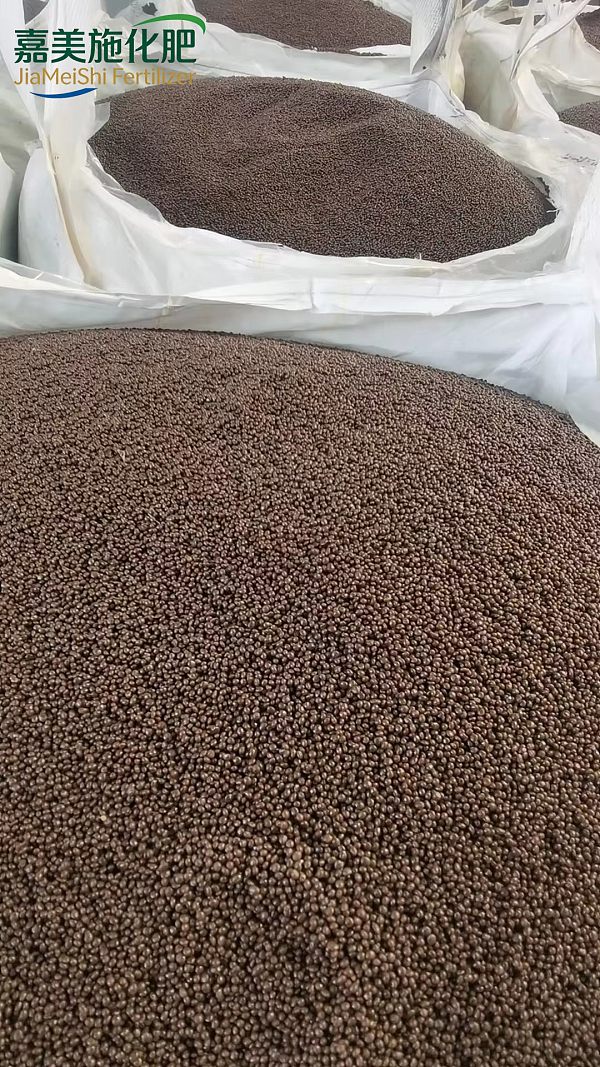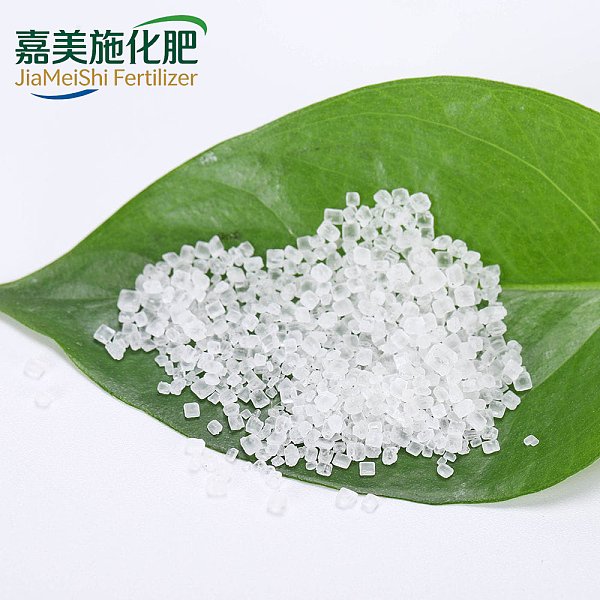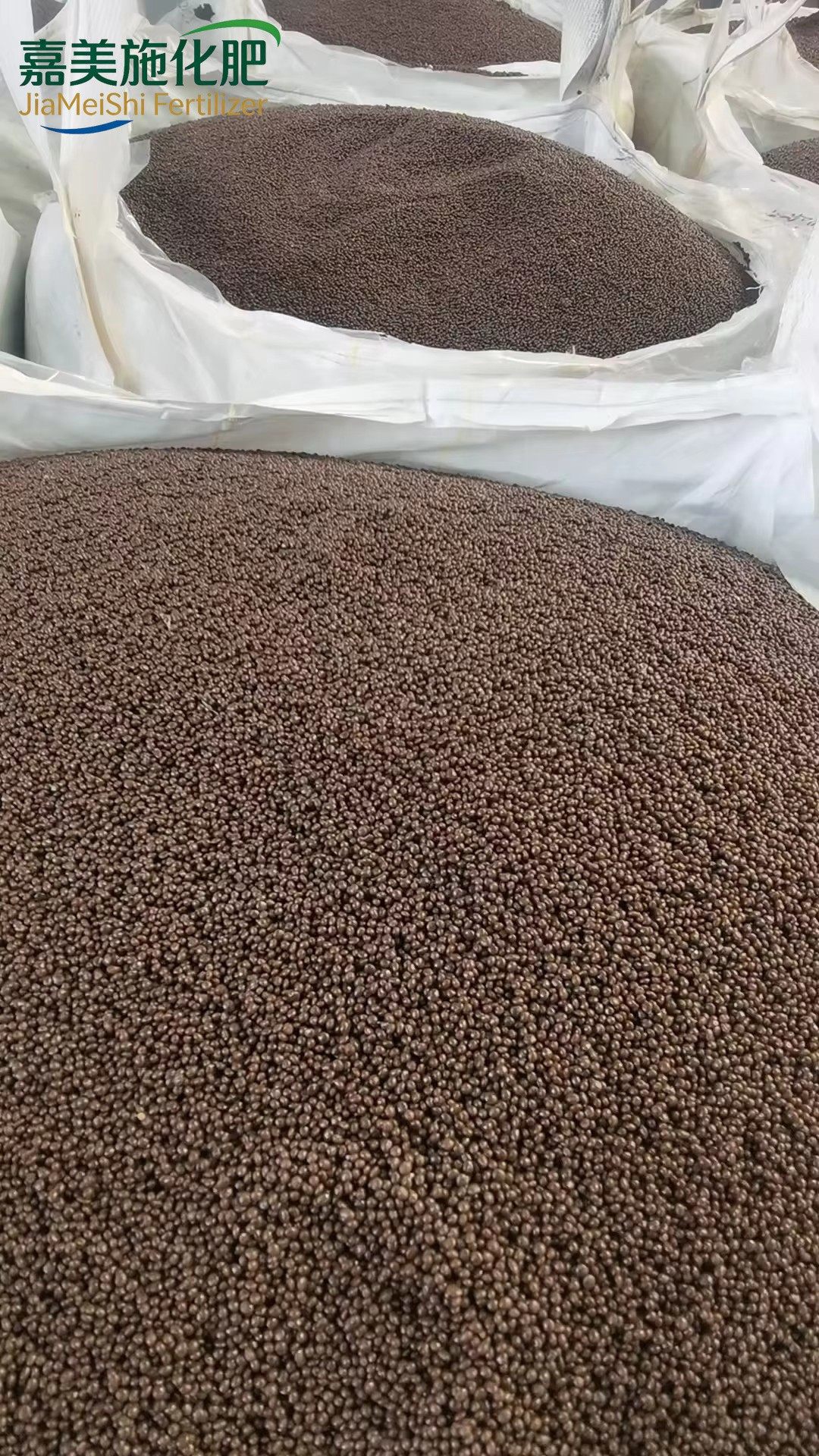
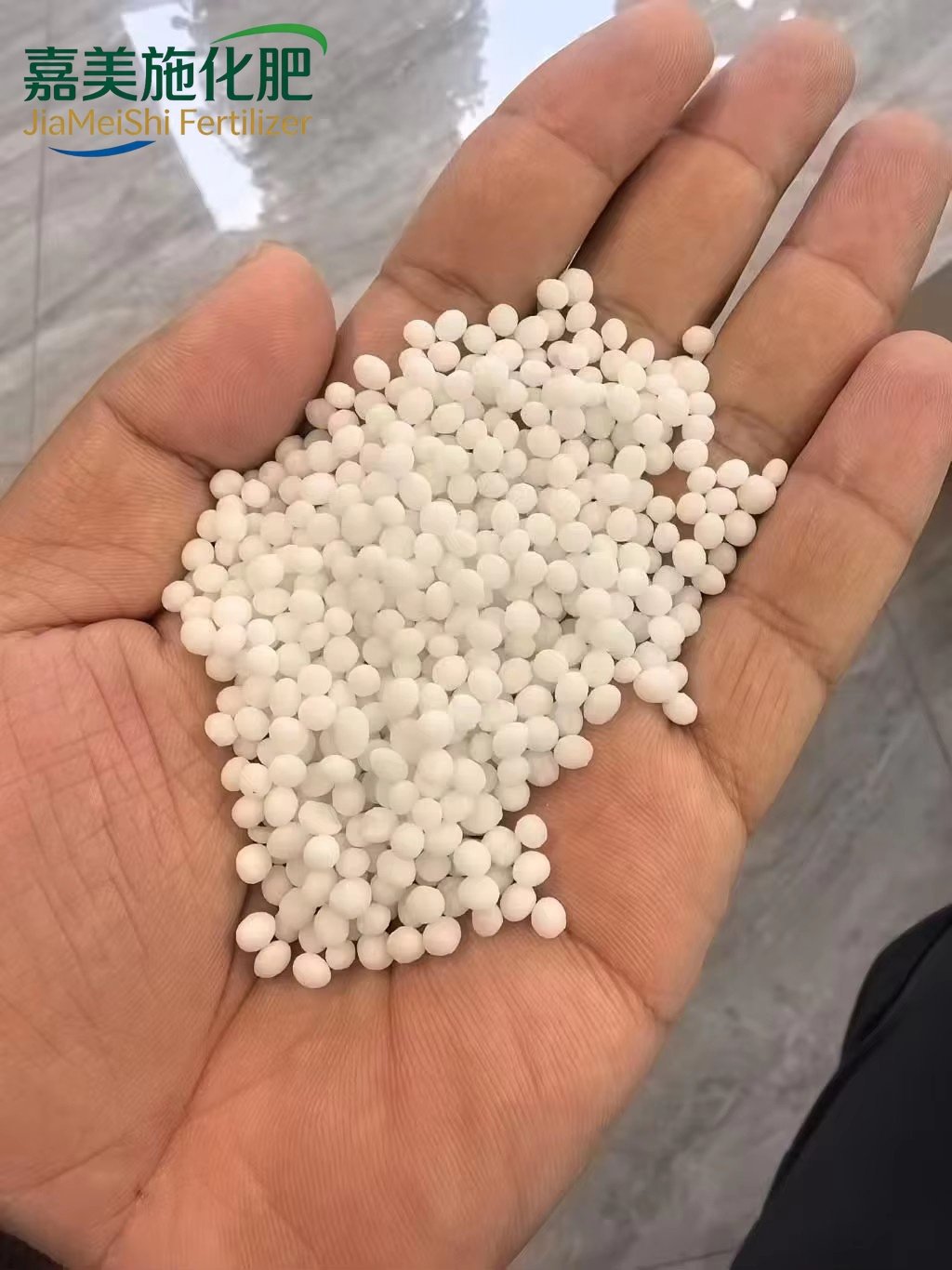
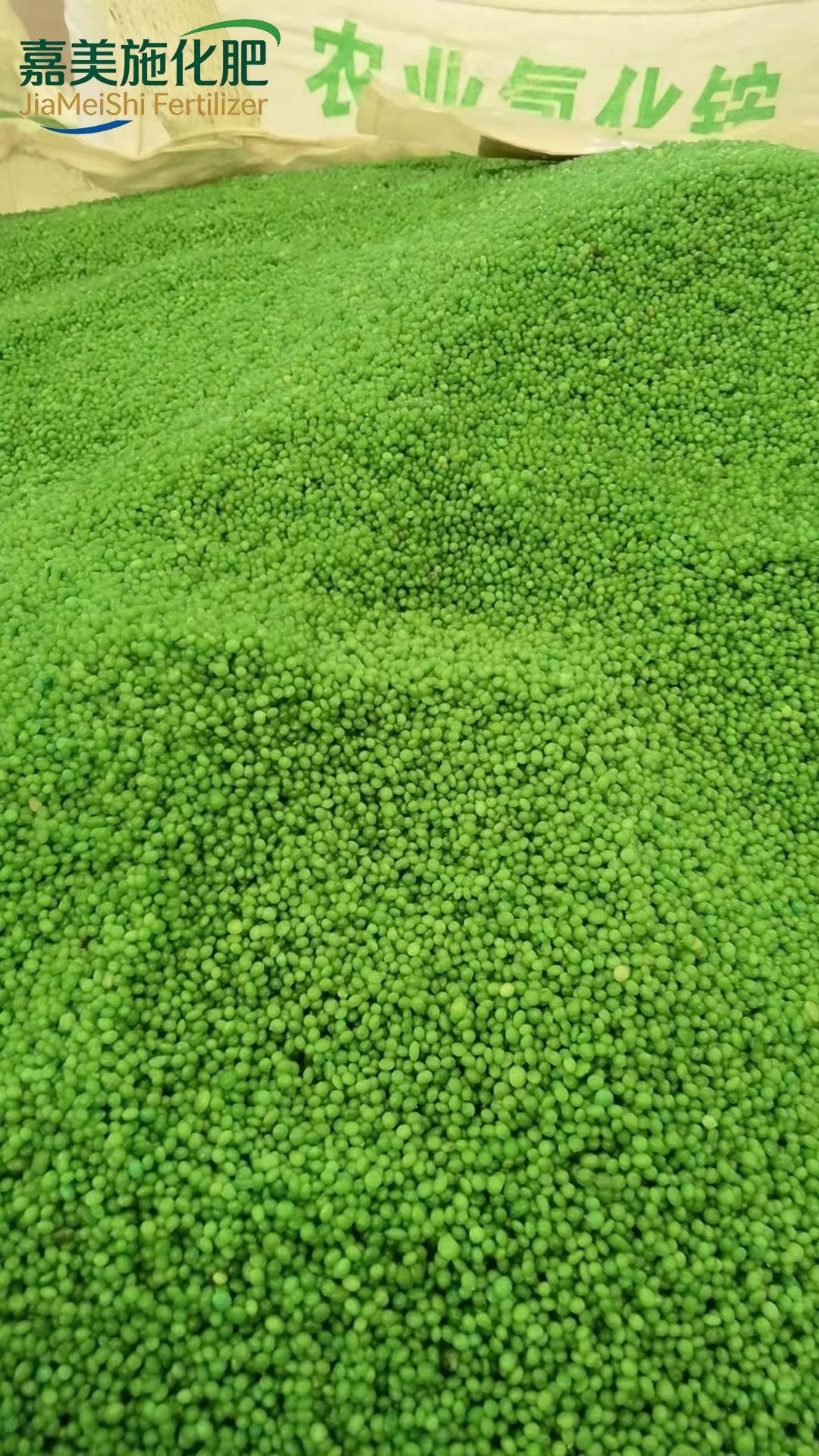
Soil conditioner
Product Details
Microbial Habitat: Provides a favorable environment for beneficial soil organisms.
2.Primary Functions and Benefits
Precautions: Some conditioners (like lime) can take several months to fully react with the soil. Over-application of certain materials can be detrimental.
Note: Soil conditioners and fertilizers are complementary, not interchangeable. The most effective agricultural and gardening practices use both:
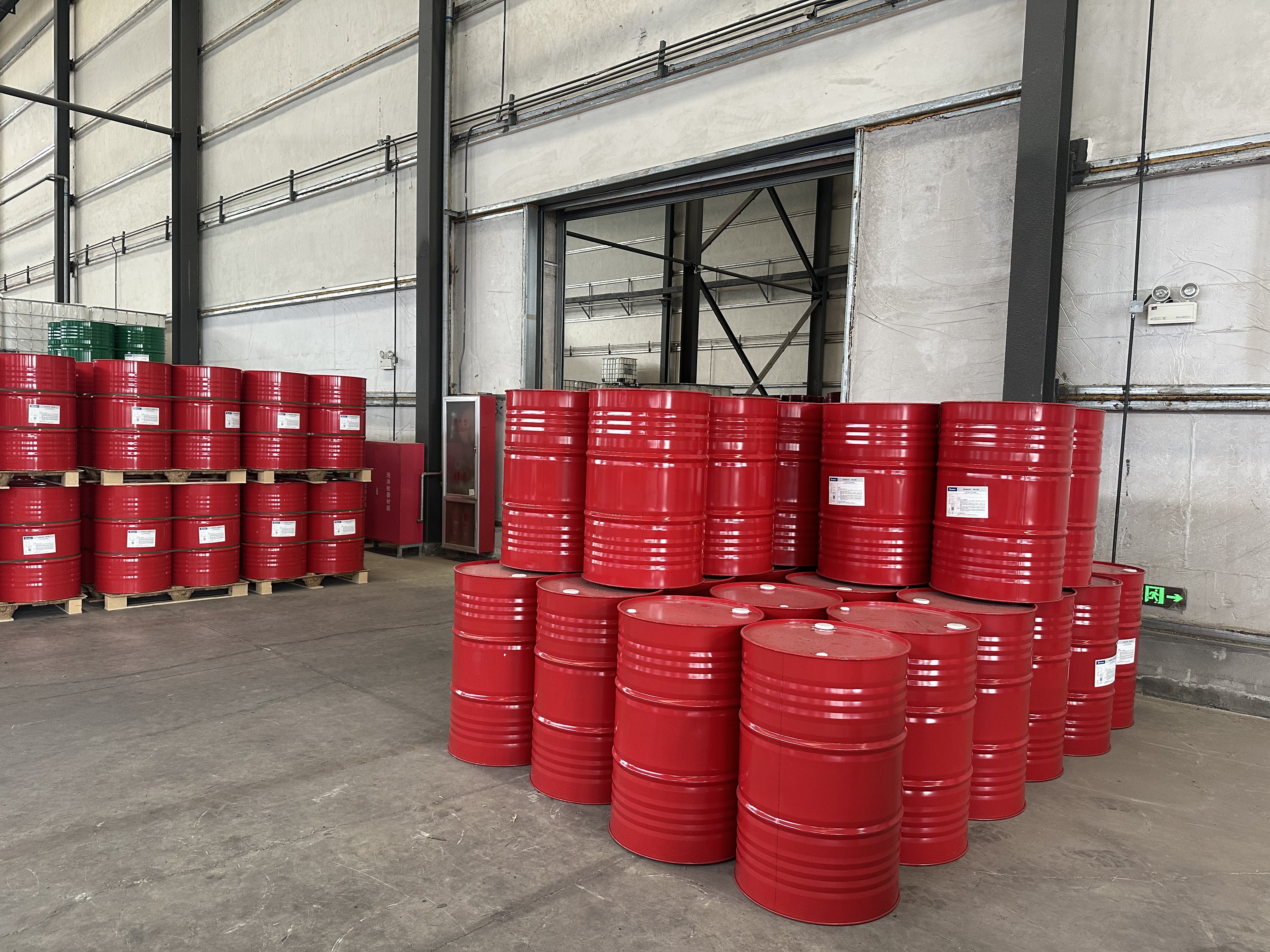
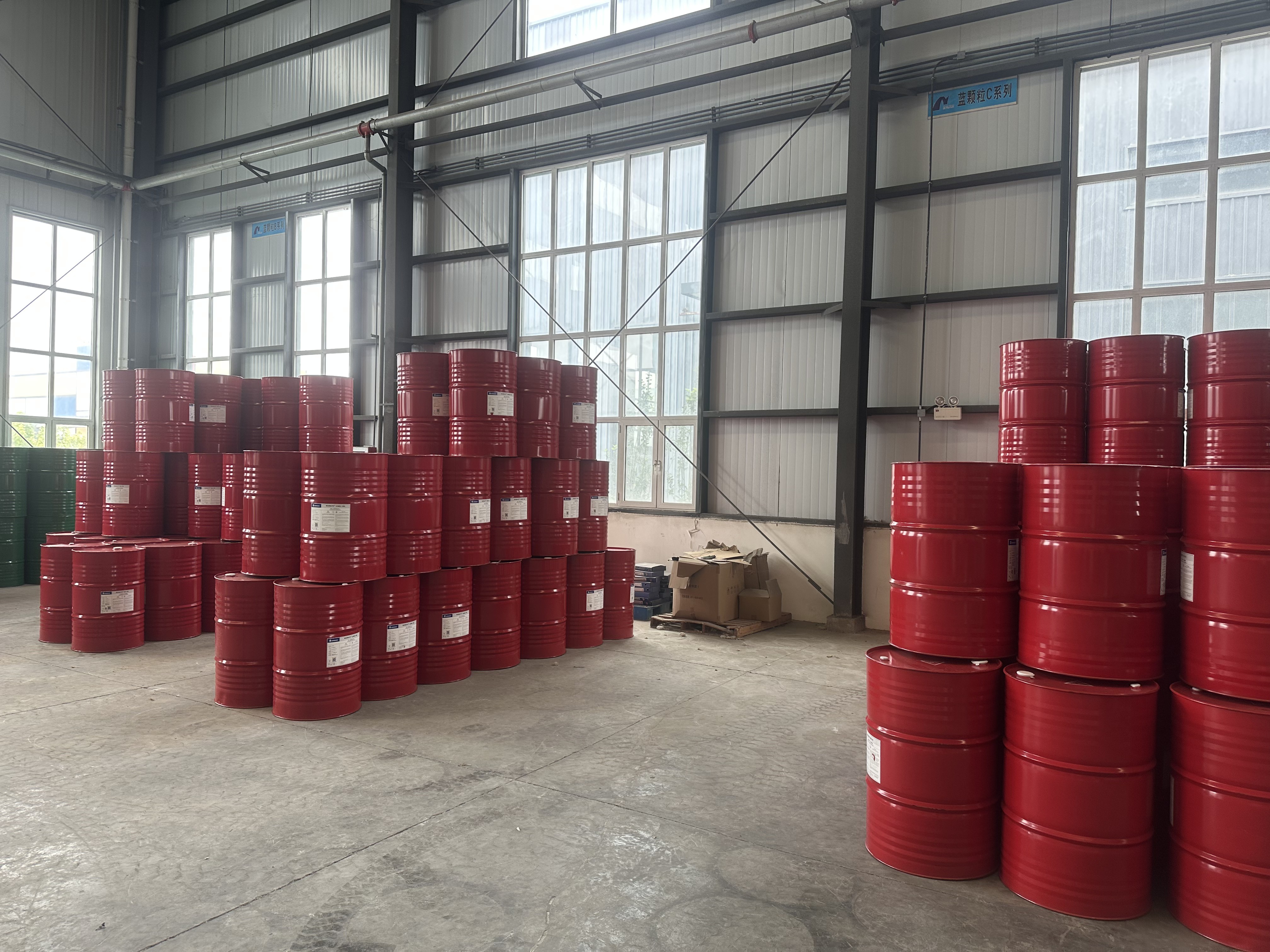
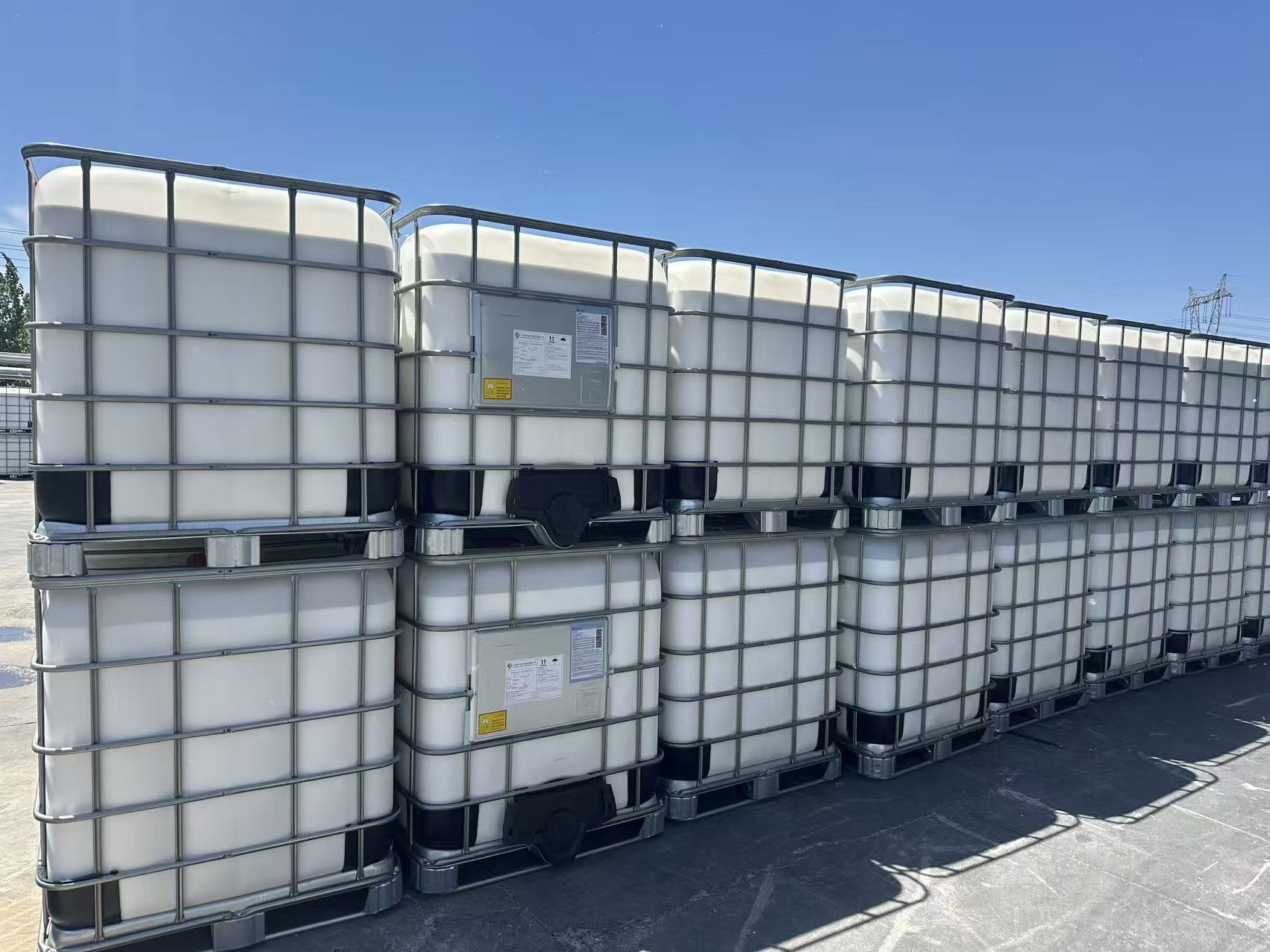
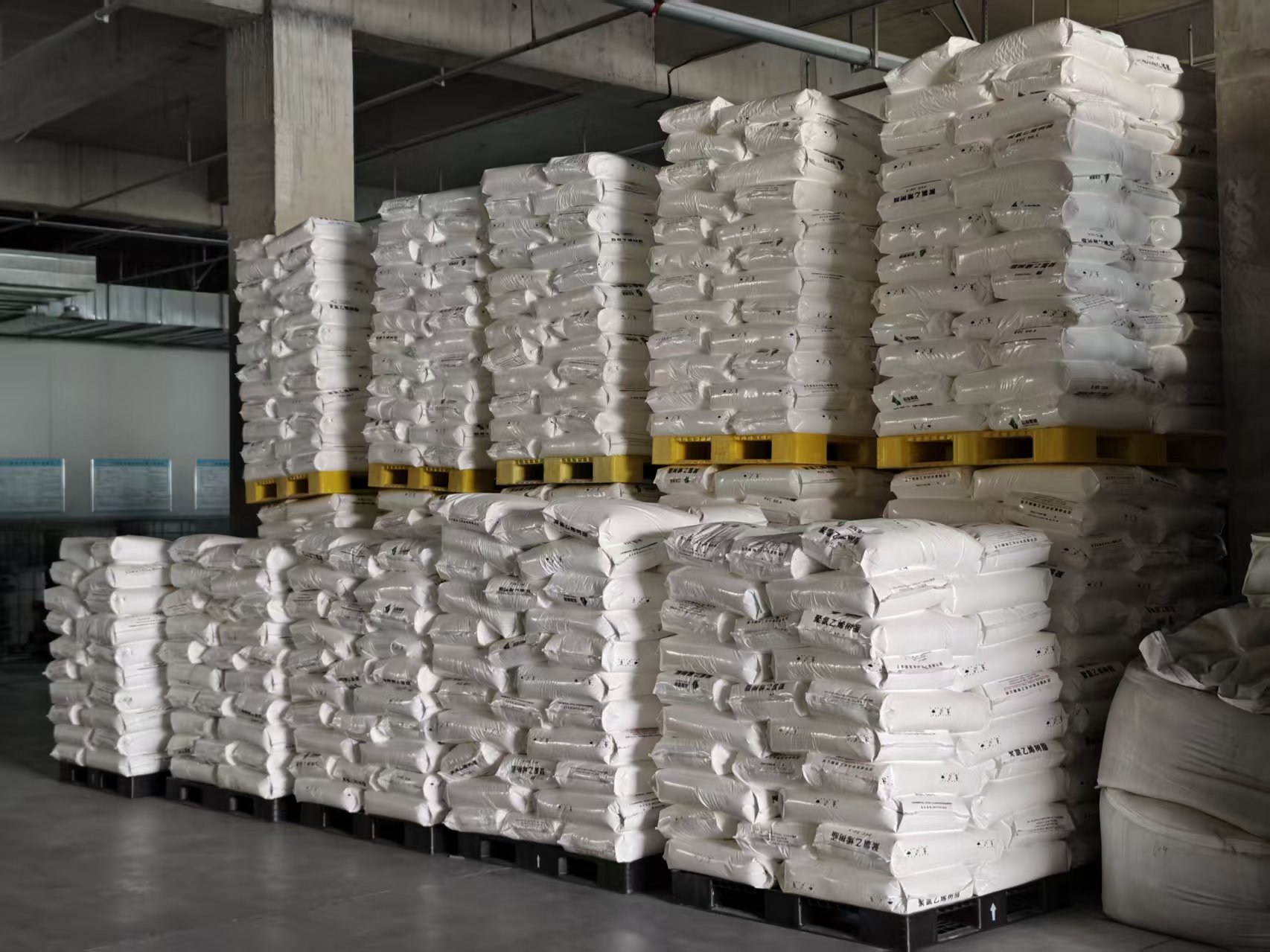
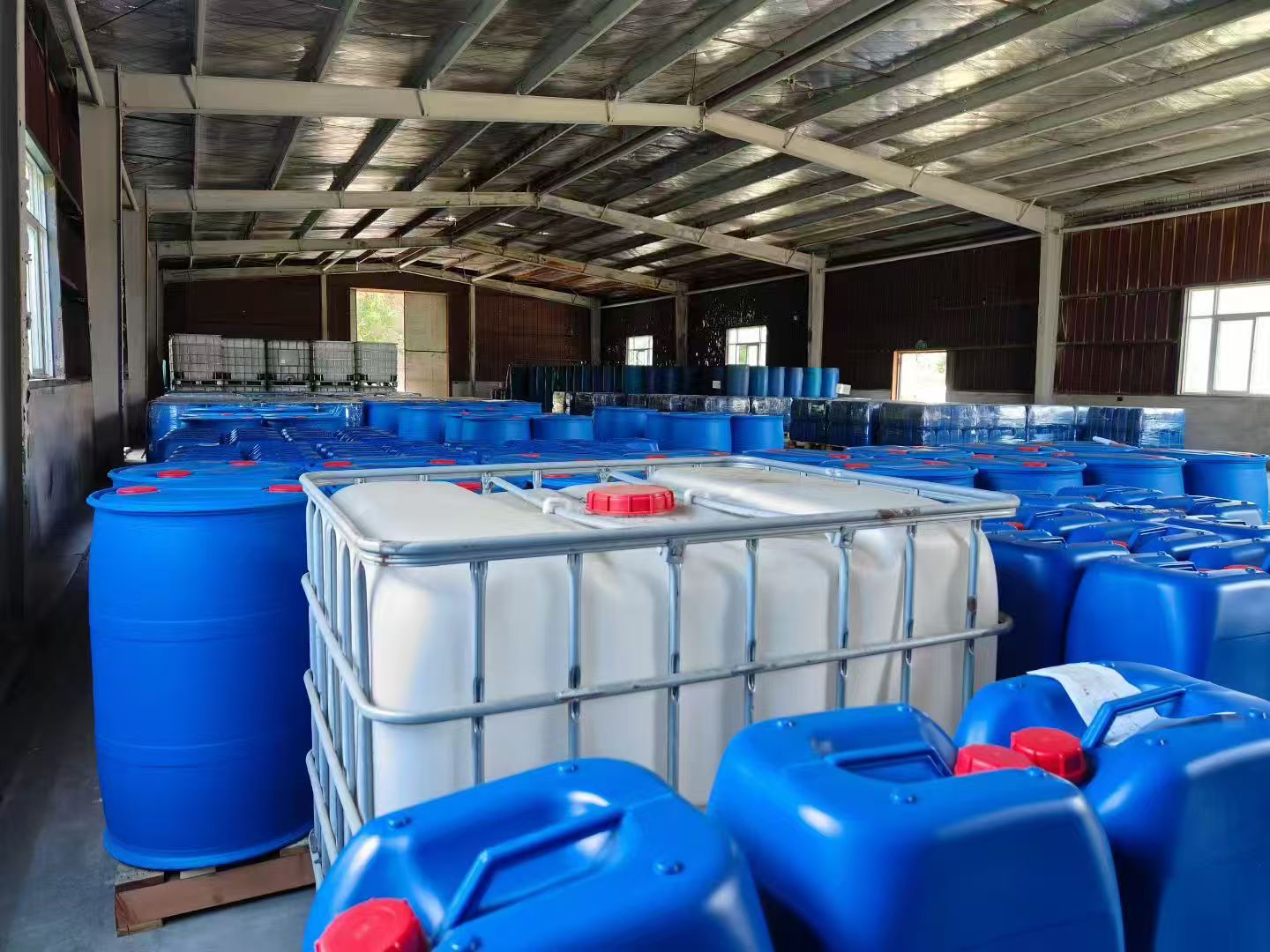
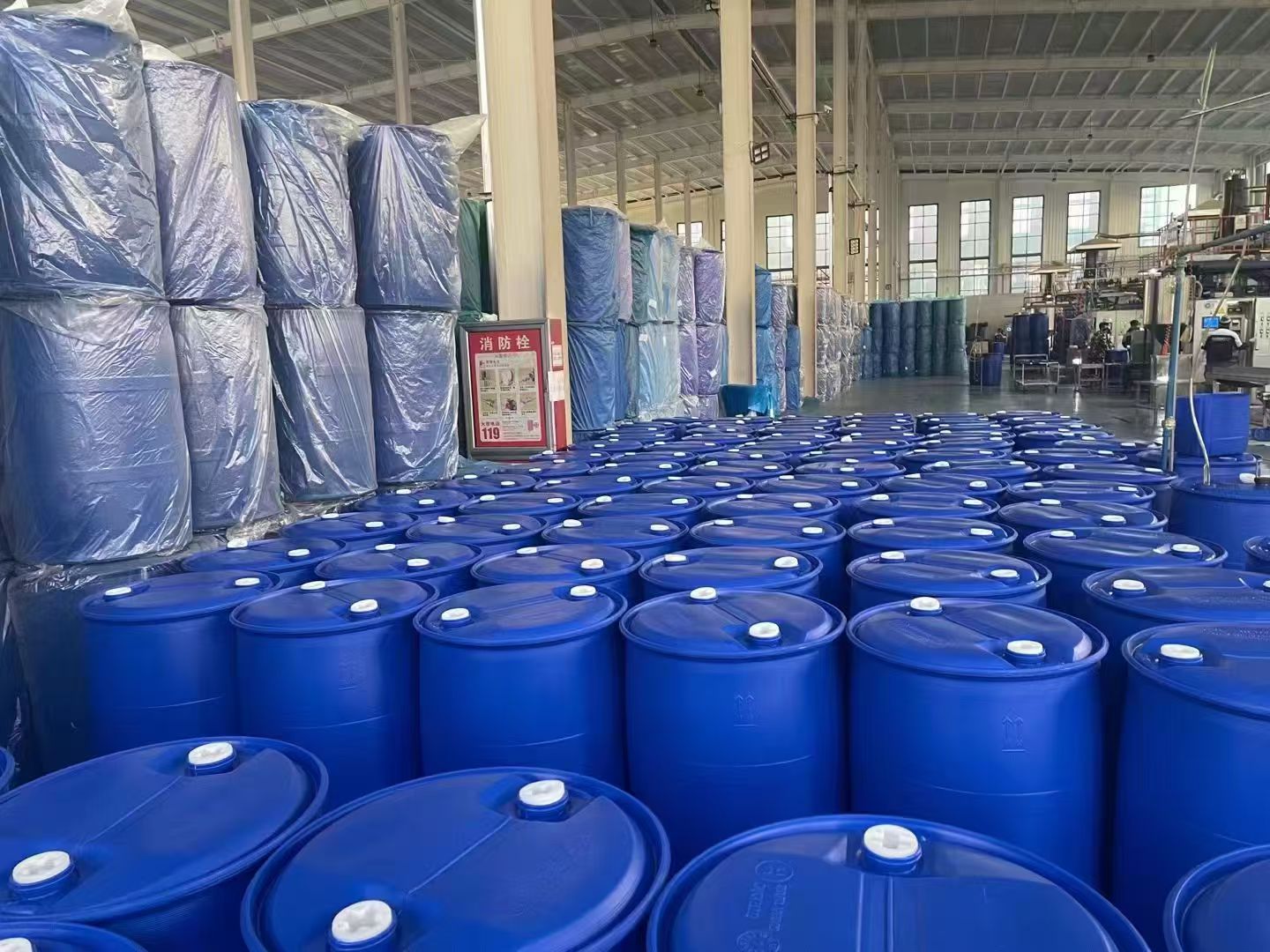
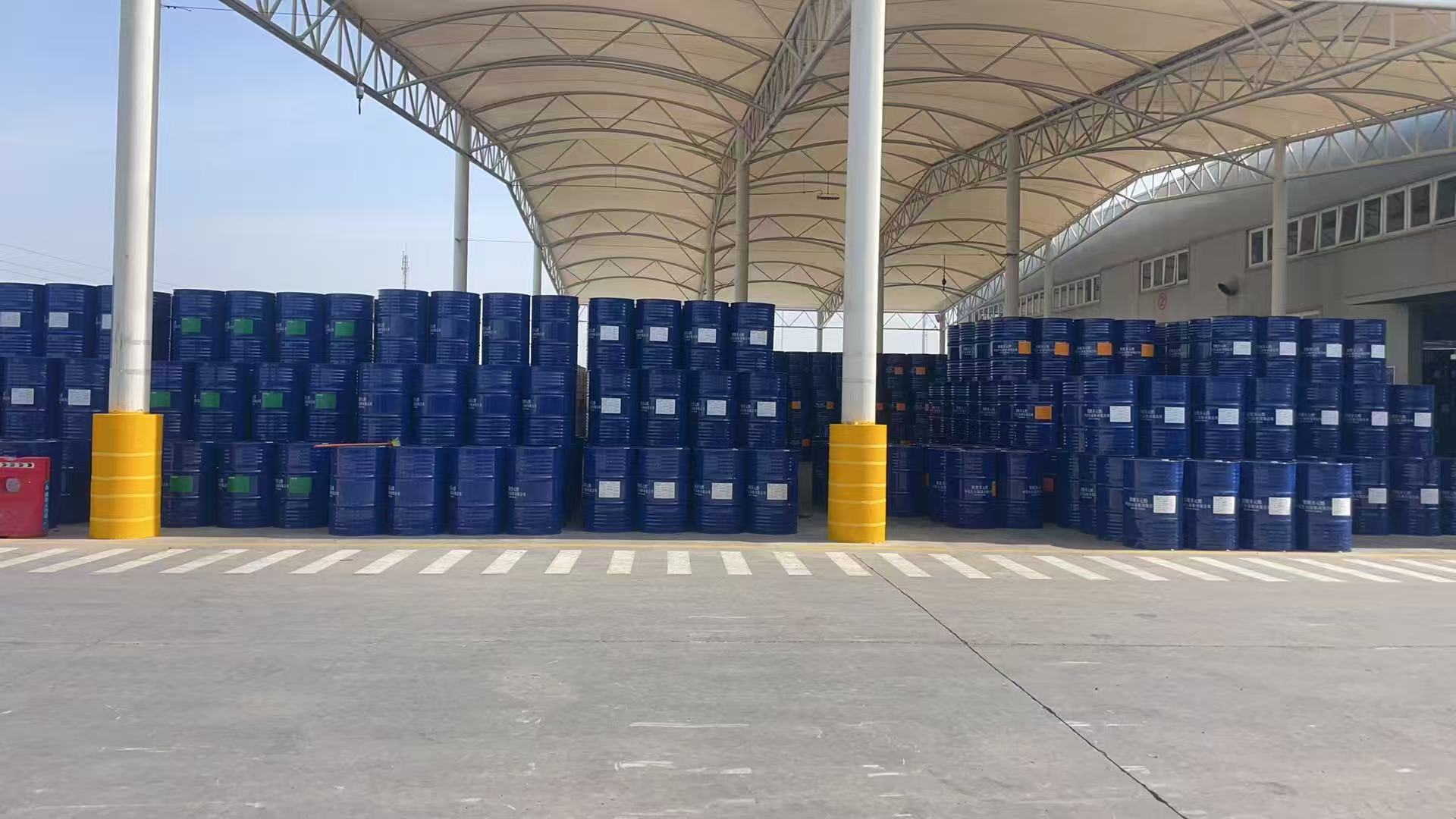
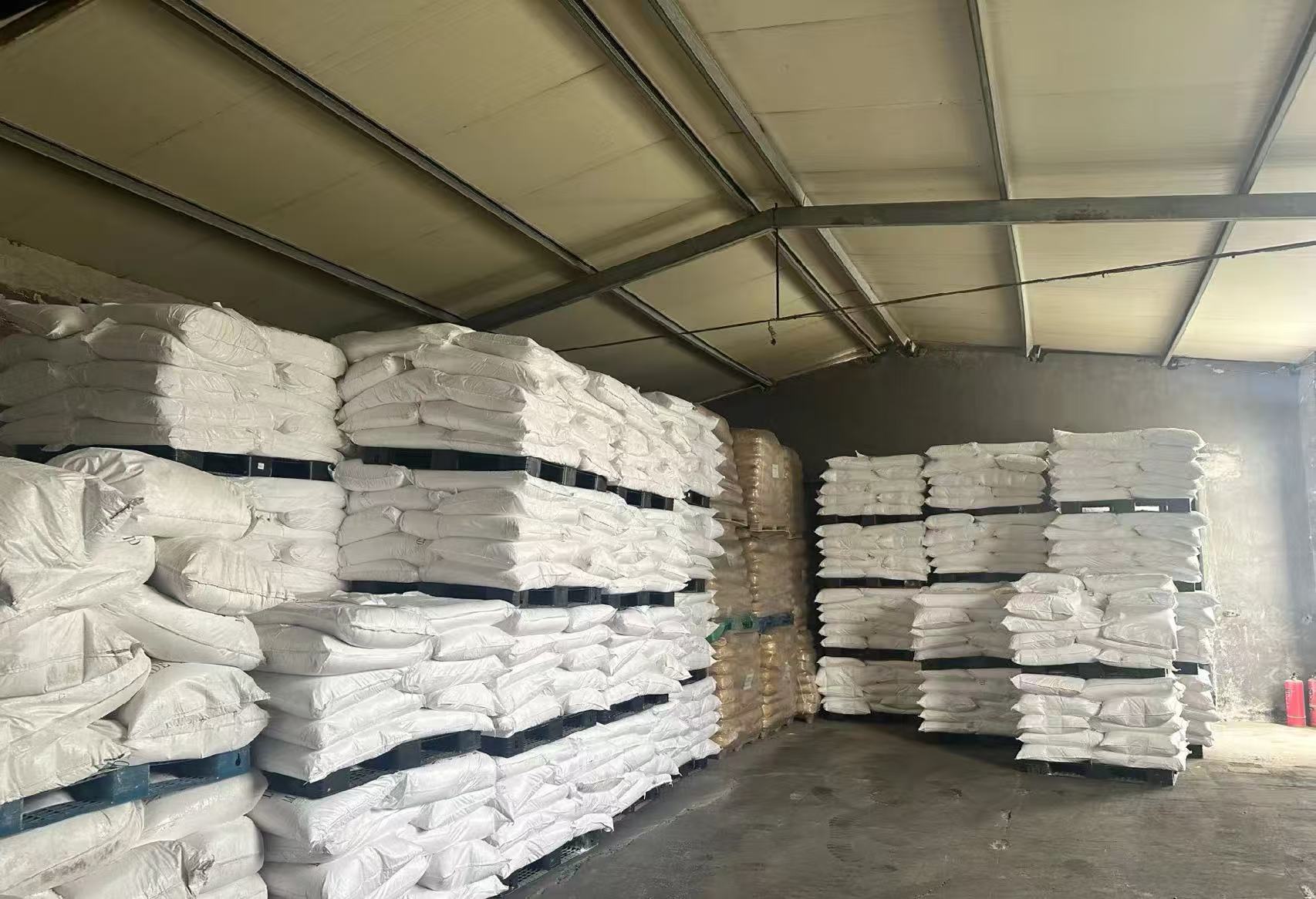
Factory Showcase

Quality Control Lab

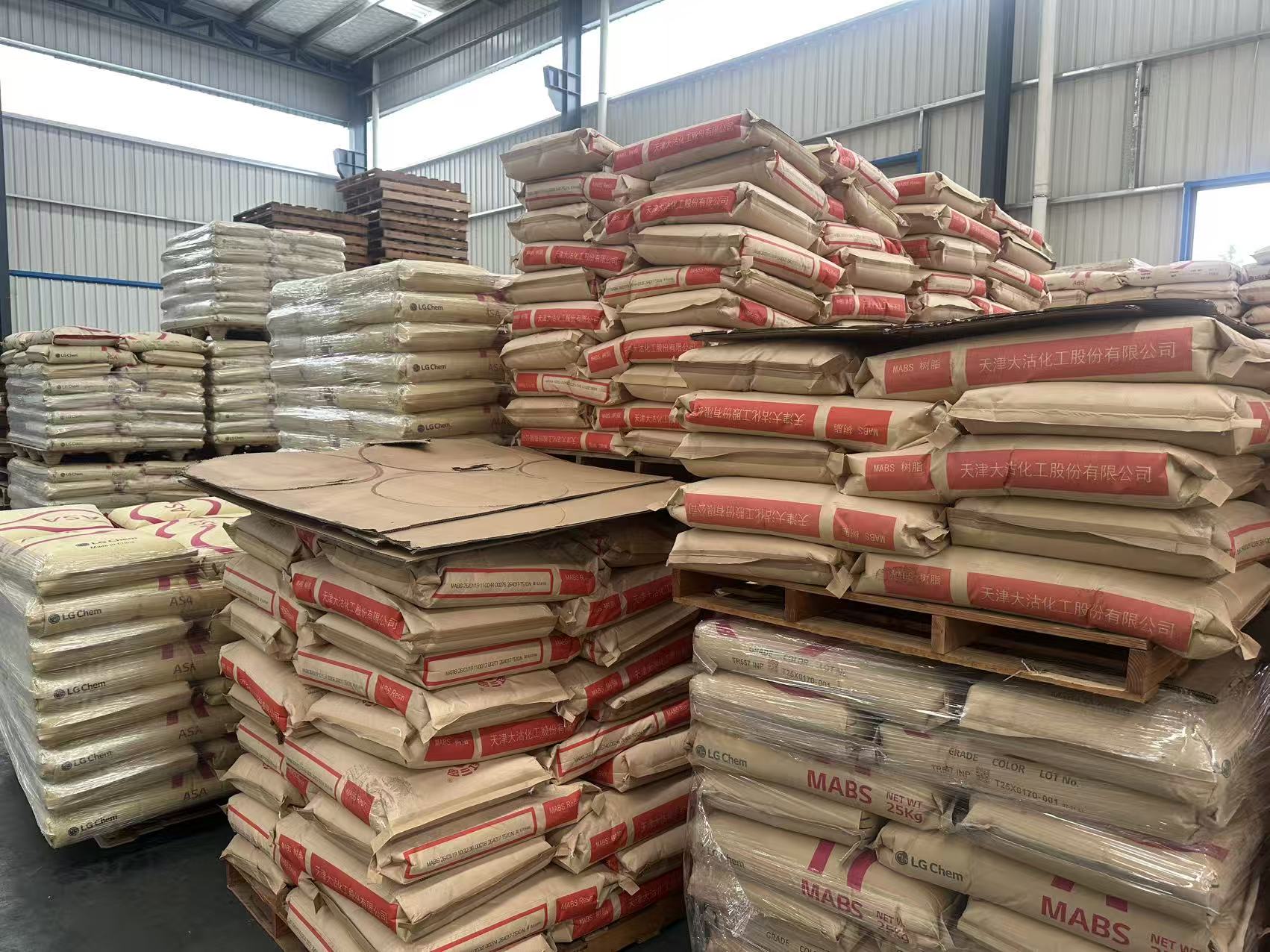
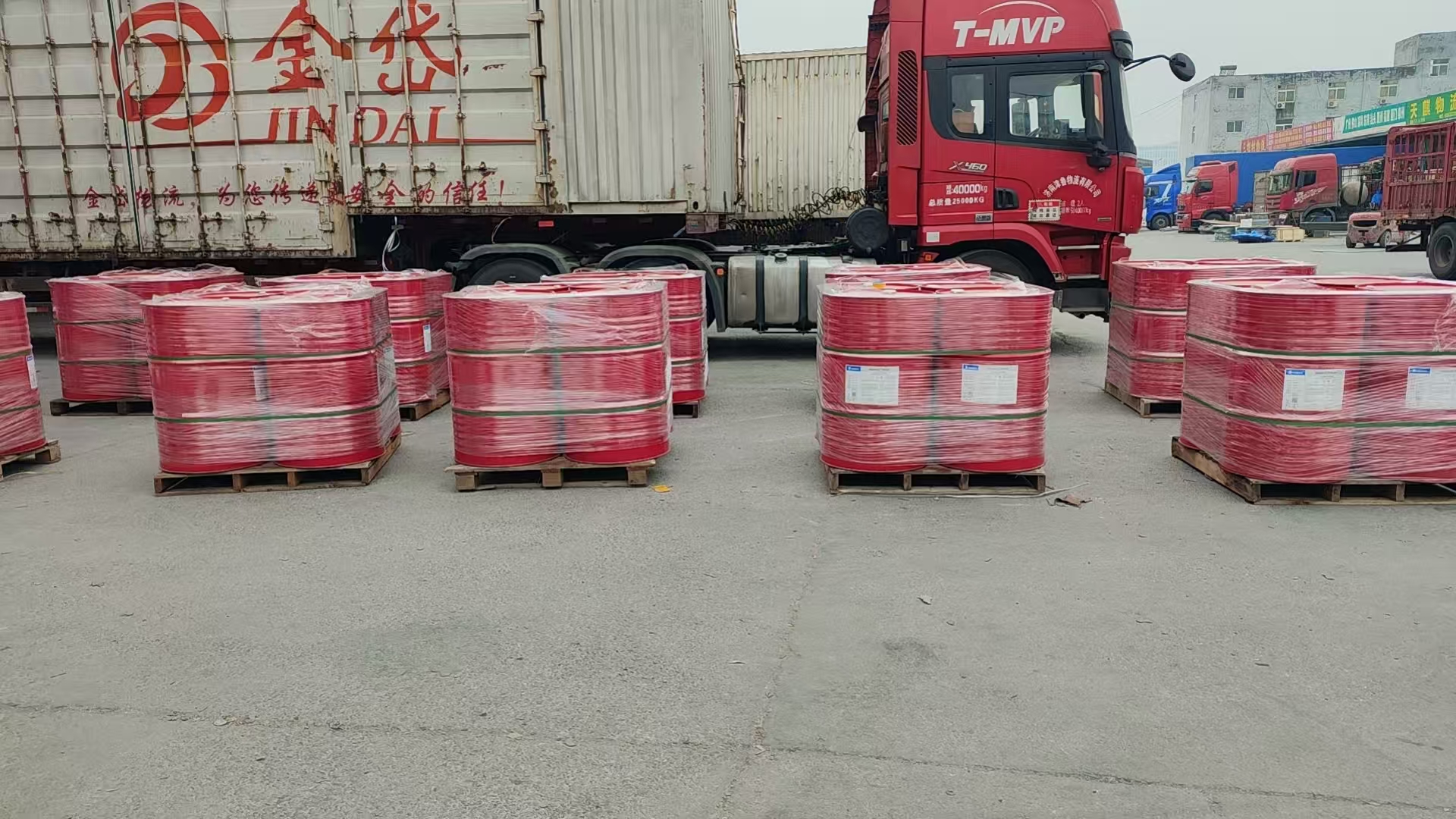
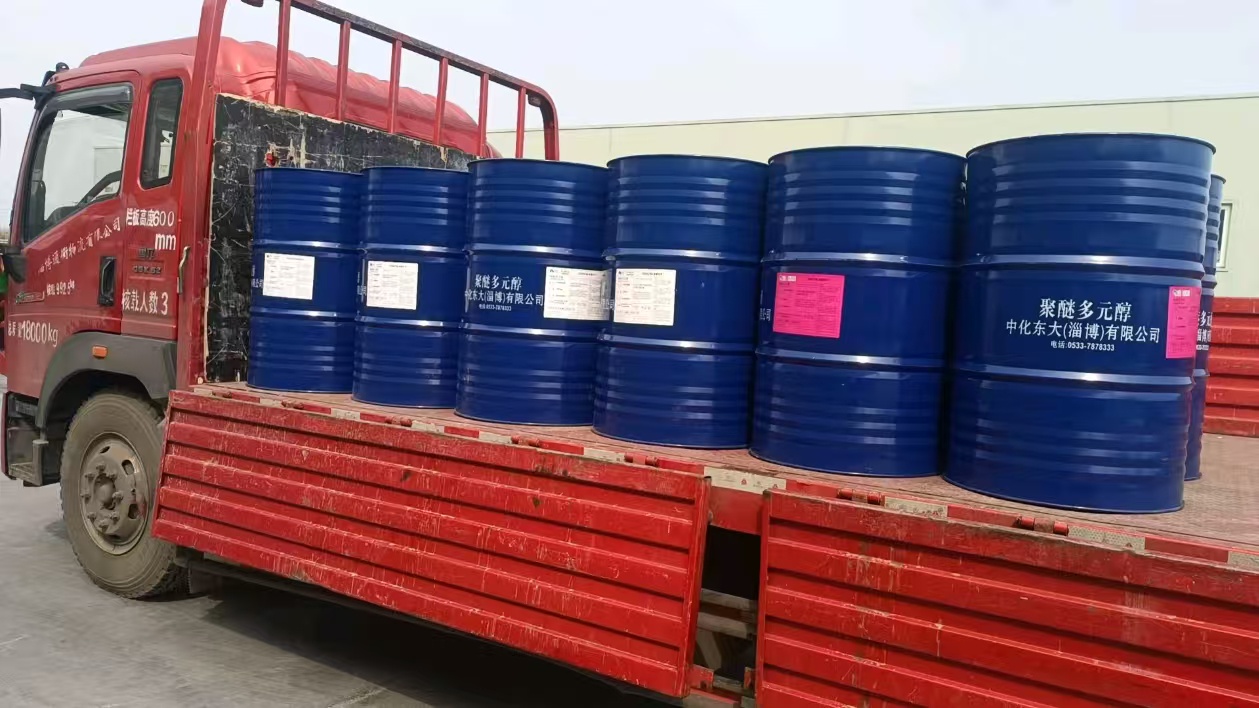
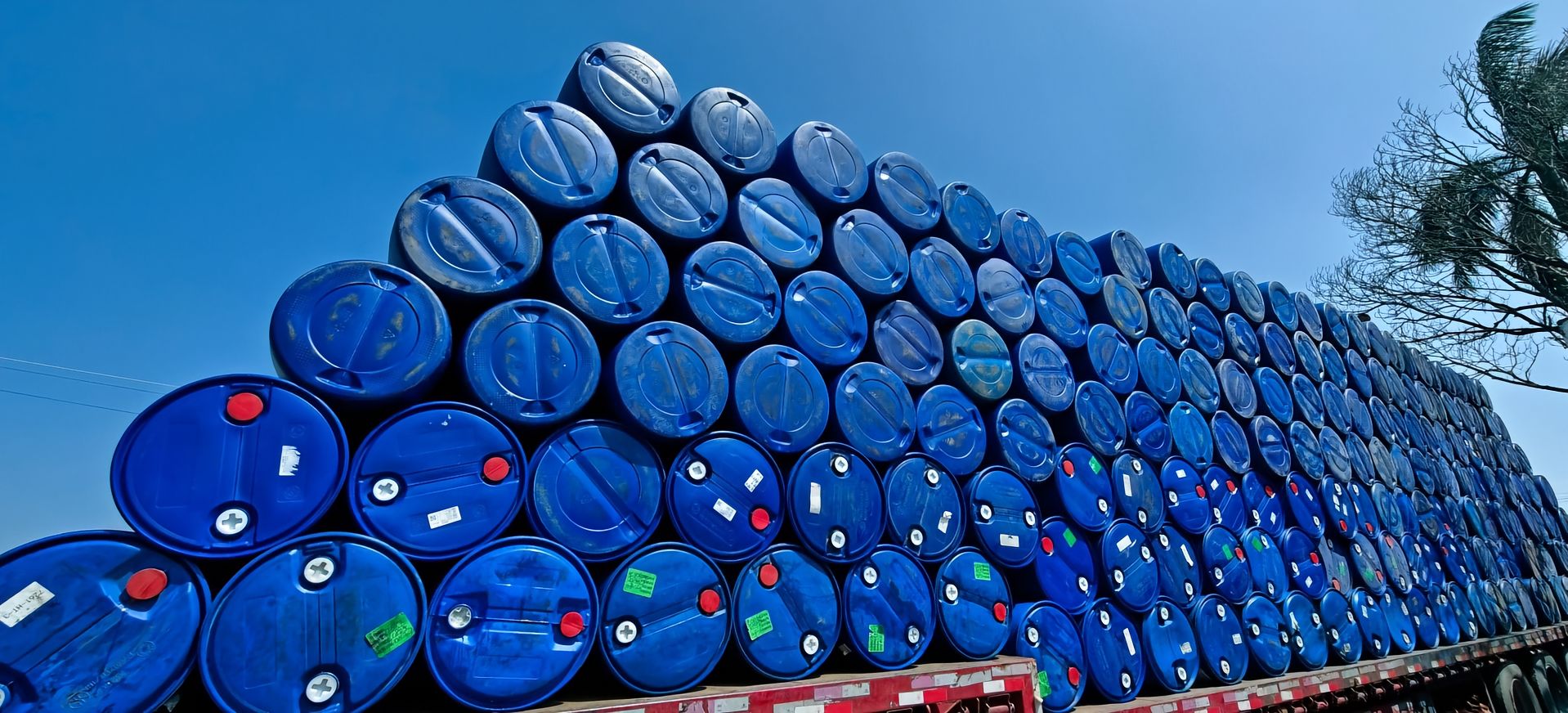
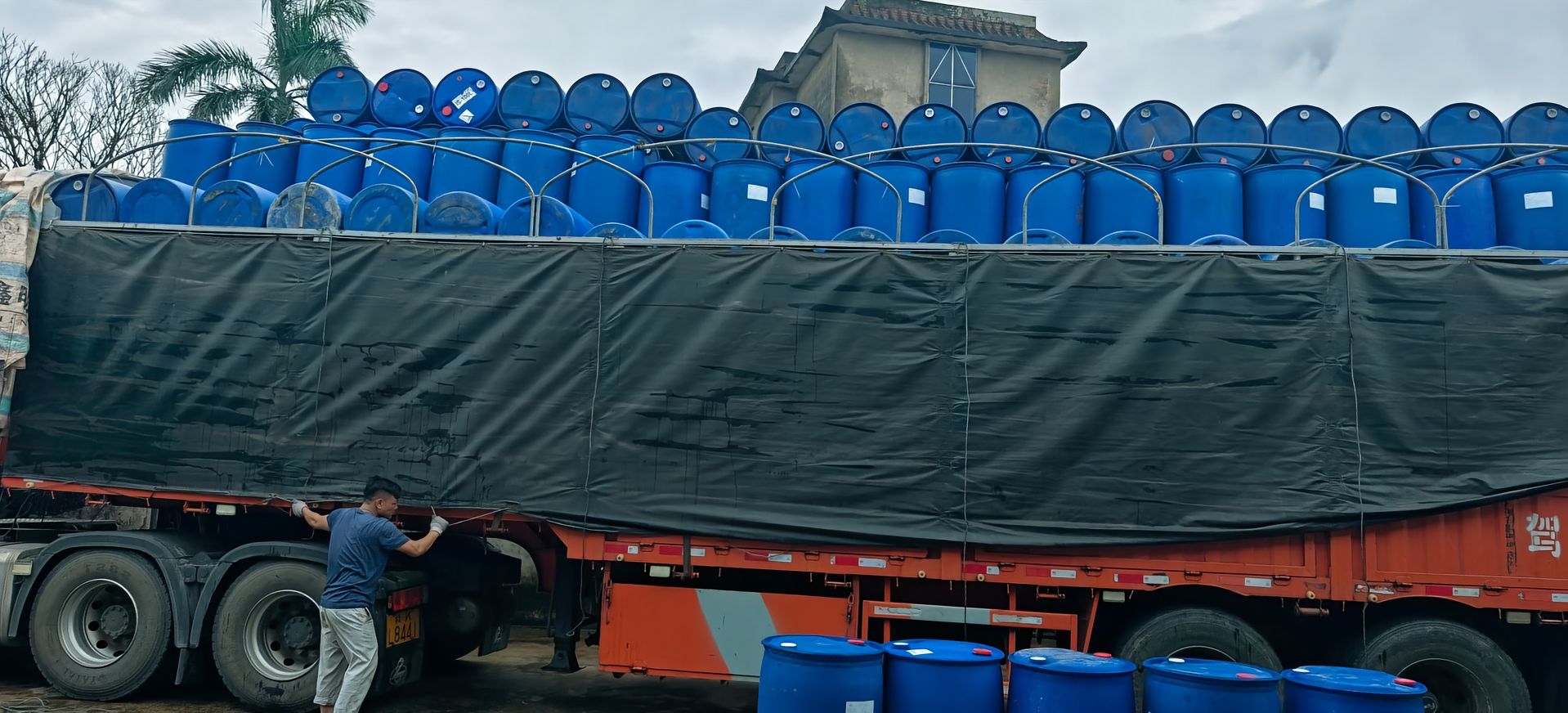
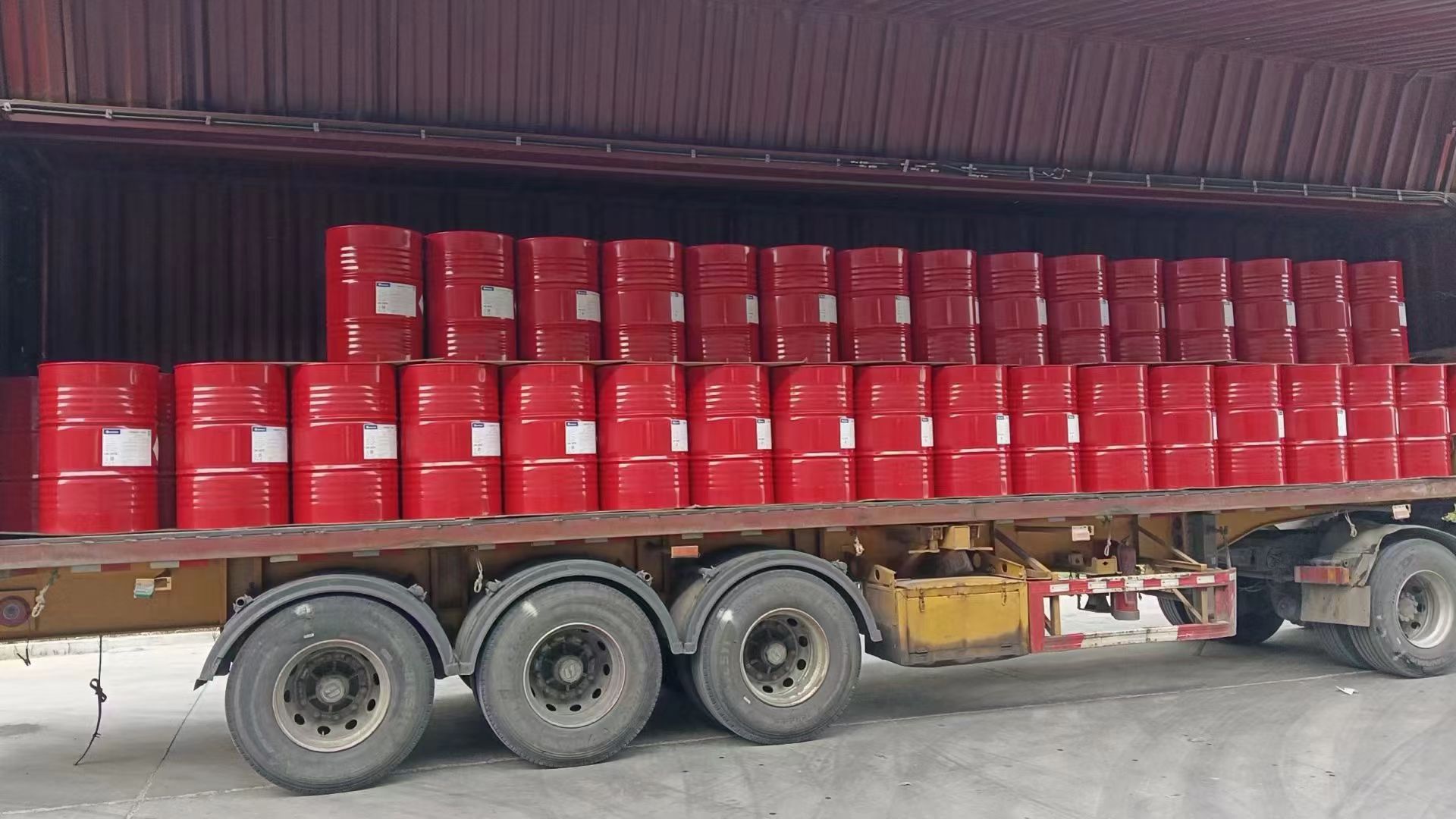
Shipping And Transportation
FAQ
Q1: What international standards do your products and services comply with?
A1: Our products fully comply with international standards such as REACH, MSDS, and COA, and we strictly implement the ISO9001 quality management system. We can also provide third-party testing reports (SGS, BV, etc.) according to customer needs.
Q2: How long does it take for goods to be delivered to my country?
A2: The delivery time depends on the transport mode and destination country. Generally, sea transport takes 15-30 days, air transport takes 3-7 days, and we will optimize the transport route to shorten the delivery time as much as possible.
Can you provide customs clearance services for dangerous chemicals?
A3: Yes. Our team is proficient in the customs clearance procedures for dangerous chemicals in various countries, and can provide professional compliant declaration and customs clearance services to ensure smooth customs clearance.
Q4: Do you provide customized product and service solutions?
A4: Yes. We can provide personalized product customization and export service solutions according to your specific needs (product specifications, application scenarios, procurement volume, etc.).
Contact Us
Related Recommendations
 Soil conditionerA soil conditioner is any material added to soil to improve its physical properties, primarily its structure and texture. Unlike fertilizers, which directly provide nutrients to plants, conditioners work to create a better environment for root growth by enhancing water retention, drainage, aeration, and nutrient-holding capacity. Common types include organic matter (compost, manure), minerals (gypsum, lime), and synthetic polymers. By improving soil tilth, conditioners help plants access water and nutrients more efficiently, reduce erosion, and support a healthy soil microbiome. They are fundamental to sustainable agriculture, soil reclamation, and successful gardening in challenging soils.
Learn More →
 Soil ConditionerSoil conditioners are substances added to soil to improve its physical properties and fertility. They are used to enhance soil structure, water retention, aeration, nutrient availability, and overall soil health. Soil amendments can be organic or inorganic materials that interact with soil particles to create a better environment for plant growth. These materials can be incorporated into the soil before planting or used as a top dressing for existing plants. Soil amendments are essential for maintaining soil health and productivity, especially in agriculture and gardening.
Learn More →