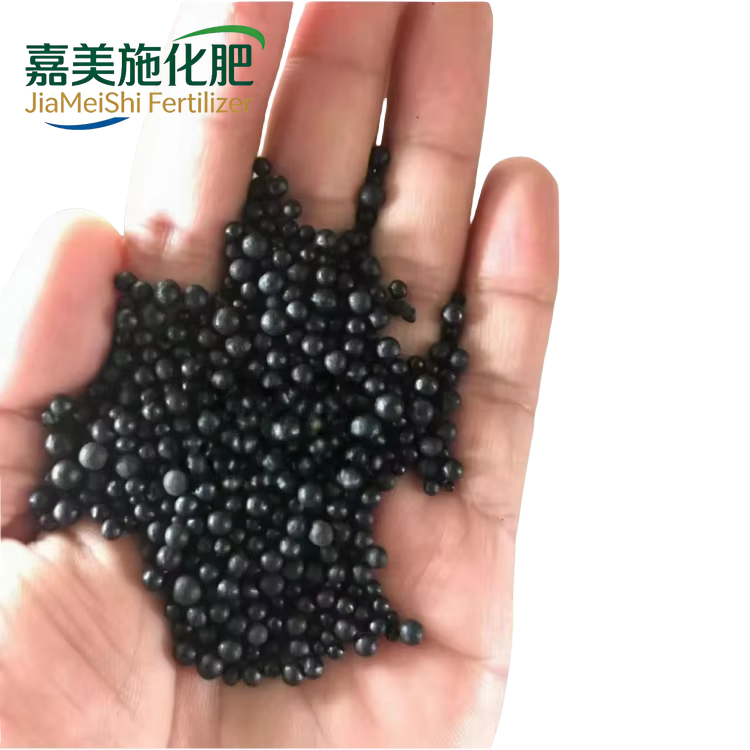
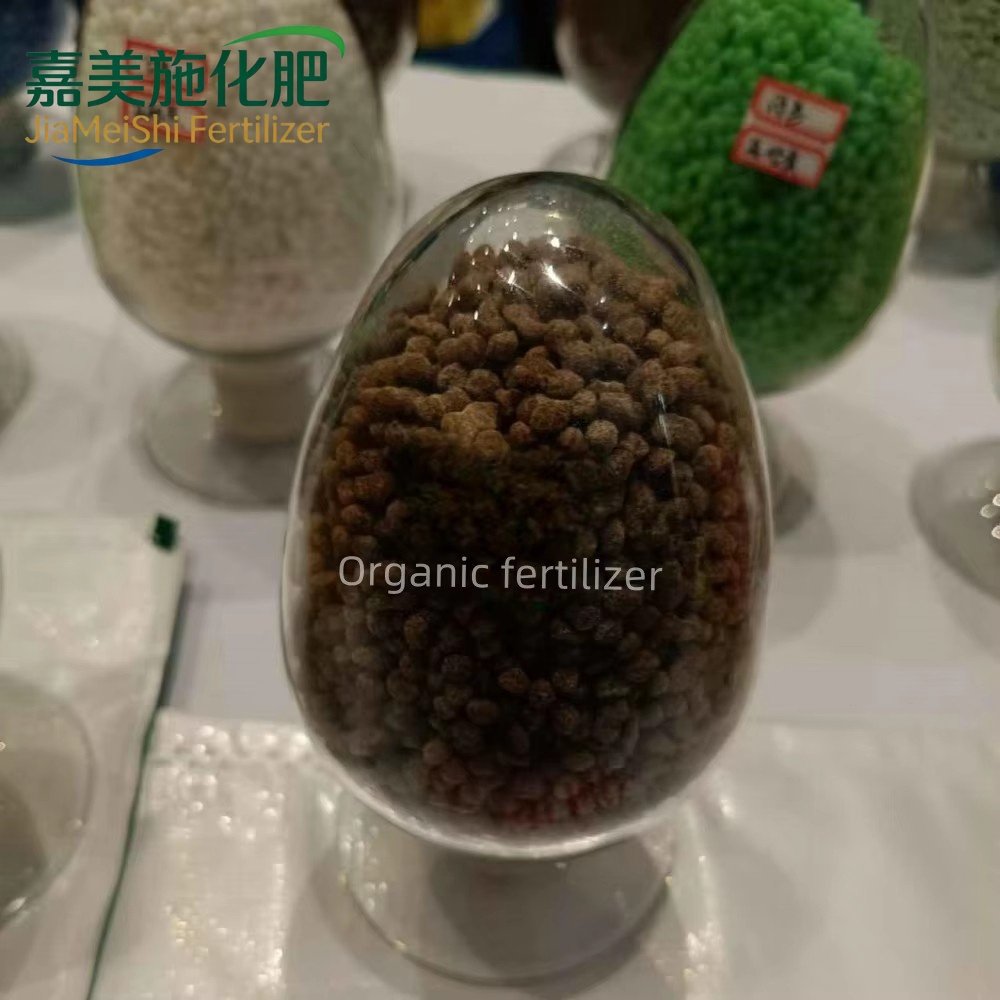
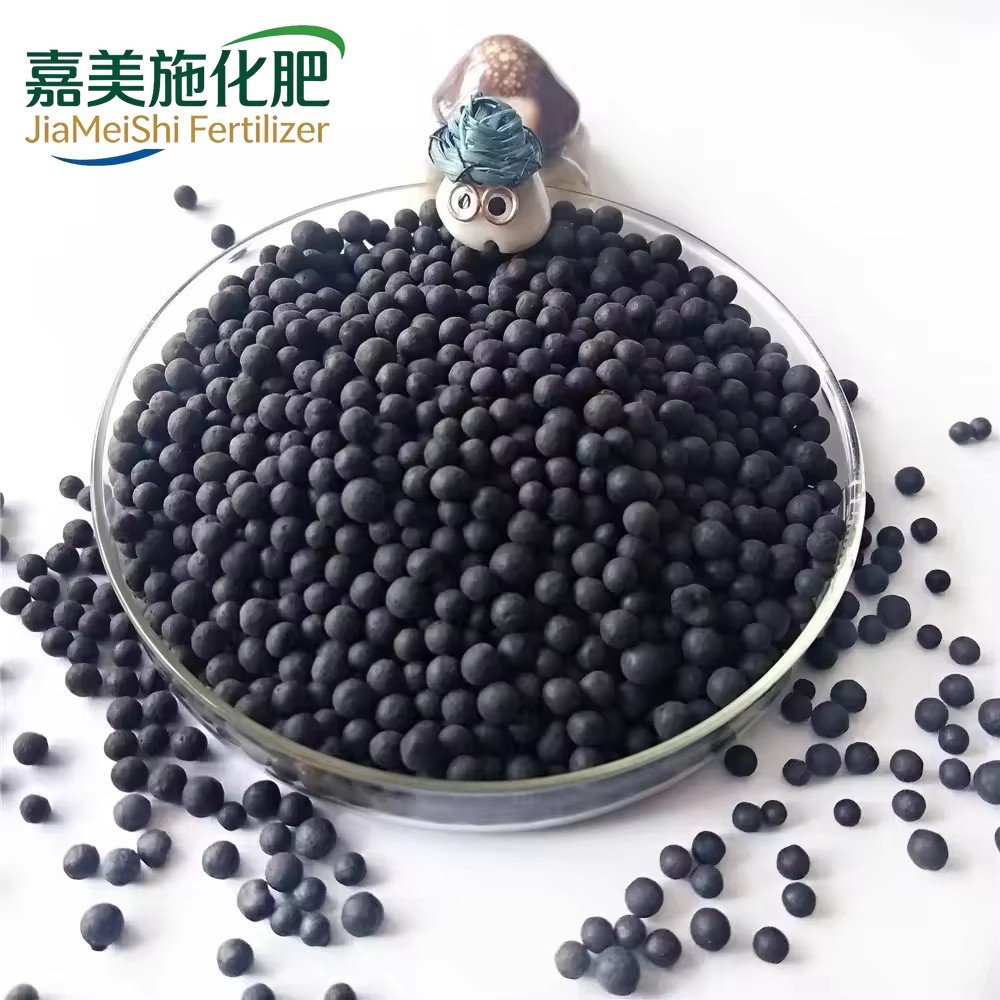
Natural and Renewable: Sourced from organic materials like animal waste, crop residues, and food processing by-products.
Slow-Release Nutrients: Nutrients are released gradually as microorganisms break down the organic matter, providing a steady supply to plants and reducing the risk of leaching.
Soil Conditioner: Improves soil structure (tilth), aeration, and drainage in clay soils, while increasing water-holding capacity in sandy soils.
Boosts Microbial Life: Provides food and a favorable environment for beneficial soil bacteria and fungi, which are crucial for nutrient cycling.
Environmentally Friendly: Reduces dependency on chemical inputs, minimizes groundwater contamination, and recycles organic waste.
2.2 Common Types of Organic Fertilizers
| Type | Source | Primary Nutrients (Approx.) | Key Characteristics & Uses |
| Compost | Decomposed plant and animal matter (e.g., yard waste, food scraps). | 1-3% N, 0.5-2% P, 1-2% K | Excellent all-around soil conditioner; improves texture and microbial life. |
| Manure | Animal excreta (cow, poultry, horse, sheep). | Varies: Poultry (3-4% N), Cow (0.5-1% N) | Rich in nutrients; must be well-aged/composted to avoid burning plants and kill pathogens. |
| Bone Meal | Ground animal bones. | 3-15% P, 1-4% N | Slow-release phosphorus source; ideal for root crops and flowering plants. |
| Blood Meal | Dried animal blood. | 12-14% N | Fast-acting nitrogen source; good for leafy green vegetables. |
| Seaweed/Fish Emulsion | Processed seaweed or fish. | 1-2% N, trace minerals | Rich in micronutrients and growth hormones; excellent for foliar feeding. |
| Green Manure | Cover crops (e.g., clover, alfalfa) plowed into the soil. | Varies by crop | Adds organic matter and fixes nitrogen (if legume); improves soil structure. |
Organic Fertilizer Product Introduction
1. 100-Word English Introduction
Organic fertilizer is a natural soil amendment derived from plant, animal, or mineral sources. Unlike synthetic fertilizers, it not only provides essential nutrients (N-P-K) but also improves soil structure, enhances microbial activity, and increases water retention. Common types include compost, manure, bone meal, and seaweed extracts. By releasing nutrients slowly and improving soil health, organic fertilizer promotes sustainable agriculture, reduces environmental pollution, and produces healthier crops. It is ideal for organic farming, home gardens, and any agricultural system aiming for long-term soil fertility and ecological balance.
2. Detailed Product Features, Functions, and Applications
2.1 Key Features
Natural and Renewable: Sourced from organic materials like animal waste, crop residues, and food processing by-products.
Slow-Release Nutrients: Nutrients are released gradually as microorganisms break down the organic matter, providing a steady supply to plants and reducing the risk of leaching.
Soil Conditioner: Improves soil structure (tilth), aeration, and drainage in clay soils, while increasing water-holding capacity in sandy soils.
Boosts Microbial Life: Provides food and a favorable environment for beneficial soil bacteria and fungi, which are crucial for nutrient cycling.
Environmentally Friendly: Reduces dependency on chemical inputs, minimizes groundwater contamination, and recycles organic waste.
2.2 Primary Functions and Benefits
Function | Benefit to Plants & Soil | Long-Term Advantage |
|---|
Nutrient Supply | Provides a wide range of macro and micronutrients in a bioavailable form. | Promotes balanced plant growth, improves crop yield and quality (e.g., taste, nutritional value). |
Soil Structure Improvement | Adds organic matter (humus), which binds soil particles into aggregates. | Creates a crumbly, well-aerated soil that is easier to work and promotes strong root development. |
Water Management | Increases the soil's ability to retain moisture. | Reduces water stress on plants and decreases irrigation frequency, crucial in drought-prone areas. |
Disease Suppression | A healthy, biologically active soil can suppress certain soil-borne pathogens. | Reduces the incidence of plant diseases, leading to lower pesticide use. |
2.3 Common Types of Organic Fertilizers
Type | Source | Primary Nutrients (Approx.) | Key Characteristics & Uses |
|---|
Compost | Decomposed plant and animal matter (e.g., yard waste, food scraps). | 1-3% N, 0.5-2% P, 1-2% K | Excellent all-around soil conditioner; improves texture and microbial life. |
Manure | Animal excreta (cow, poultry, horse, sheep). | Varies: Poultry (3-4% N), Cow (0.5-1% N) | Rich in nutrients; must be well-aged/composted to avoid burning plants and kill pathogens. |
Bone Meal | Ground animal bones. | 3-15% P, 1-4% N | Slow-release phosphorus source; ideal for root crops and flowering plants. |
Blood Meal | Dried animal blood. | 12-14% N | Fast-acting nitrogen source; good for leafy green vegetables. |
Seaweed/Fish Emulsion | Processed seaweed or fish. | 1-2% N, trace minerals | Rich in micronutrients and growth hormones; excellent for foliar feeding. |
Green Manure | Cover crops (e.g., clover, alfalfa) plowed into the soil. | Varies by crop | Adds organic matter and fixes nitrogen (if legume); improves soil structure. |
2.3 Target Crops and Application Scenarios
Organic Farming: Mandatory for certified organic crop production of fruits, vegetables, grains, and herbs.
Home Gardens: Ideal for vegetable patches, flower beds, and lawns where chemical use is minimized.
Soil Reclamation: Used to restore degraded soils by rebuilding organic matter content and microbial populations.
High-Value Crops: Often used for crops where quality and flavor are paramount, such as wine grapes, specialty coffee, and premium vegetables.
2.4 Application Guidelines (General)
Timing: Best applied a few weeks before planting (e.g., during soil preparation) to allow nutrients to start mineralizing. Can also be used as a top-dressing during the growing season.
Application Rates: Vary widely depending on the type of fertilizer, crop, and soil condition. Always follow product label instructions or soil test recommendations.
Incorporation: For solid fertilizers, lightly mix into the top layer of soil to prevent nutrient loss through volatilization and to encourage microbial activity.
Precautions: Use well-composted manure to avoid introducing weed seeds or pathogens. Avoid over-application, as excess nutrients (especially phosphorus) can still run off and cause environmental issues.
Note: Organic fertilizers are the cornerstone of sustainable agriculture. While they may not provide the immediate "green-up" effect of synthetic fertilizers, their long-term benefits for soil health, environmental protection, and crop resilience are invaluable. A combination of organic fertilizers for building soil health and targeted synthetic fertilizers for correcting acute deficiencies is often the most effective strategy (Integrated Nutrient Management).