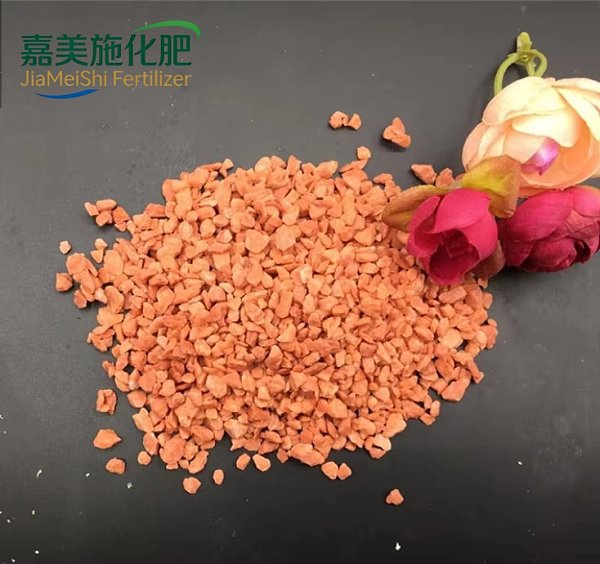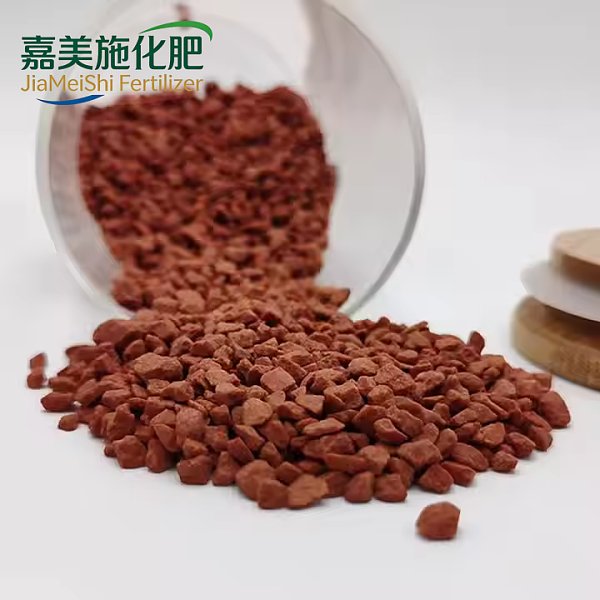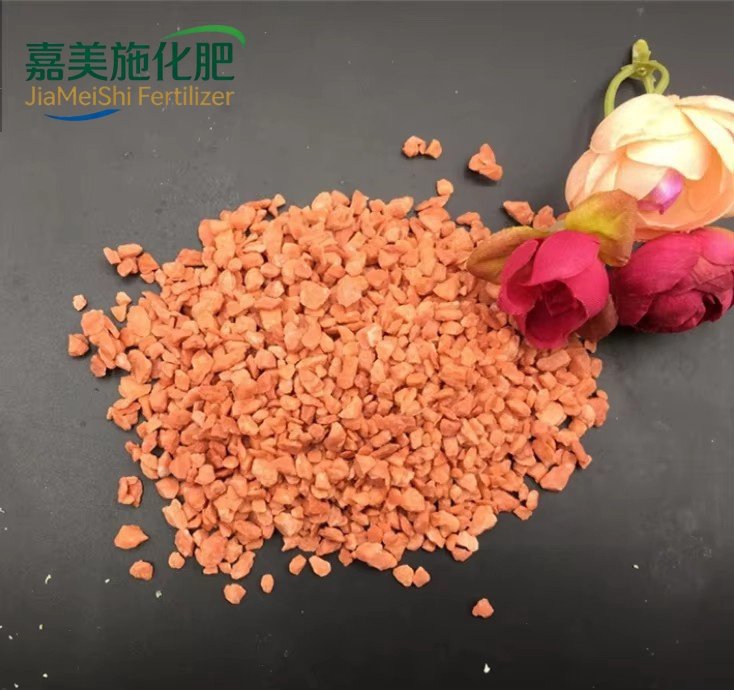
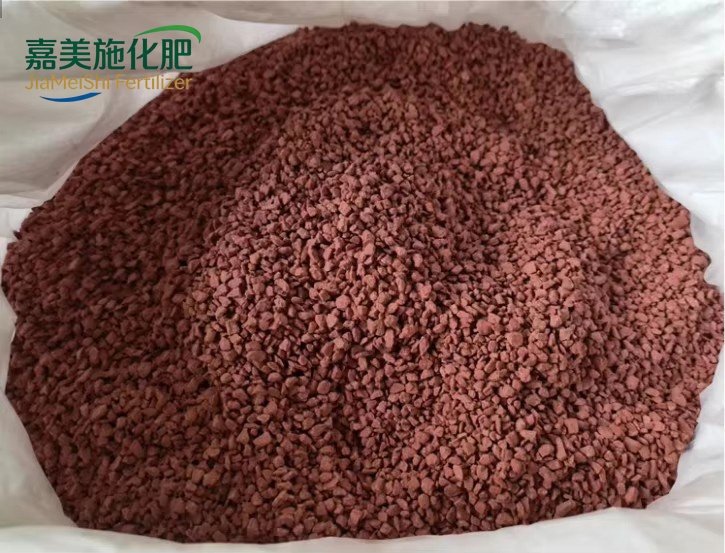
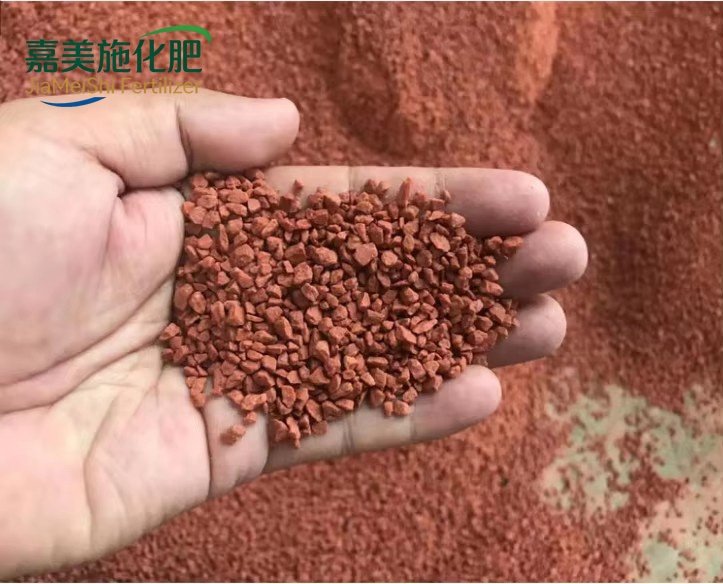
MOP60%-62%
Product Details
Chloride Content: Contains approximately 47% chloride (Cl⁻), which is a key factor in its application strategy.
2.2 Primary Functions and Benefits
2.3 Target Crops and Application Scenarios
Note: MOP60-62% is a fundamental and indispensable fertilizer in modern agriculture. Its high potassium content and affordability make it the backbone of potassium nutrition for many crops worldwide. Proper management, considering chloride sensitivity and soil conditions, ensures optimal results.
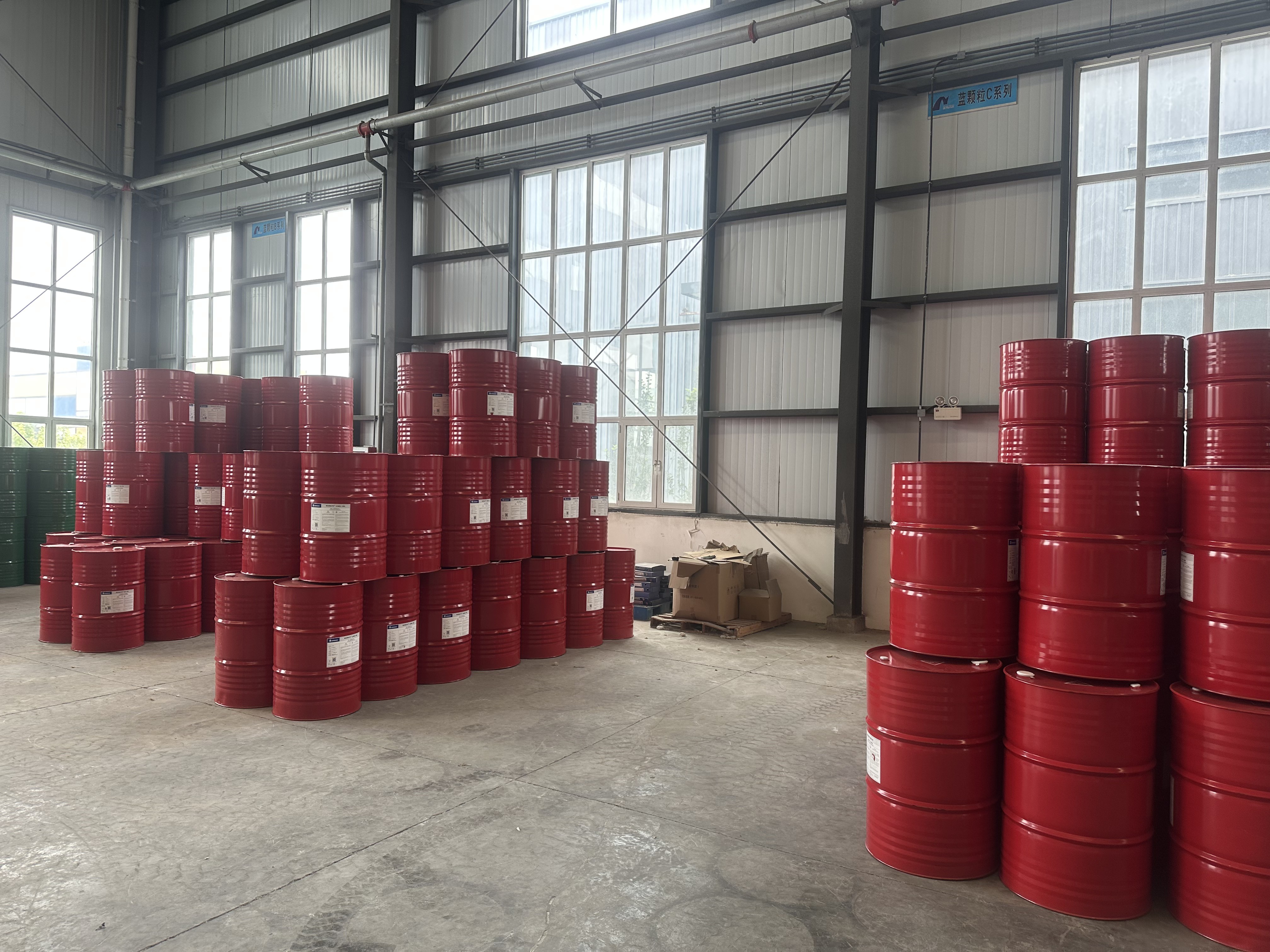
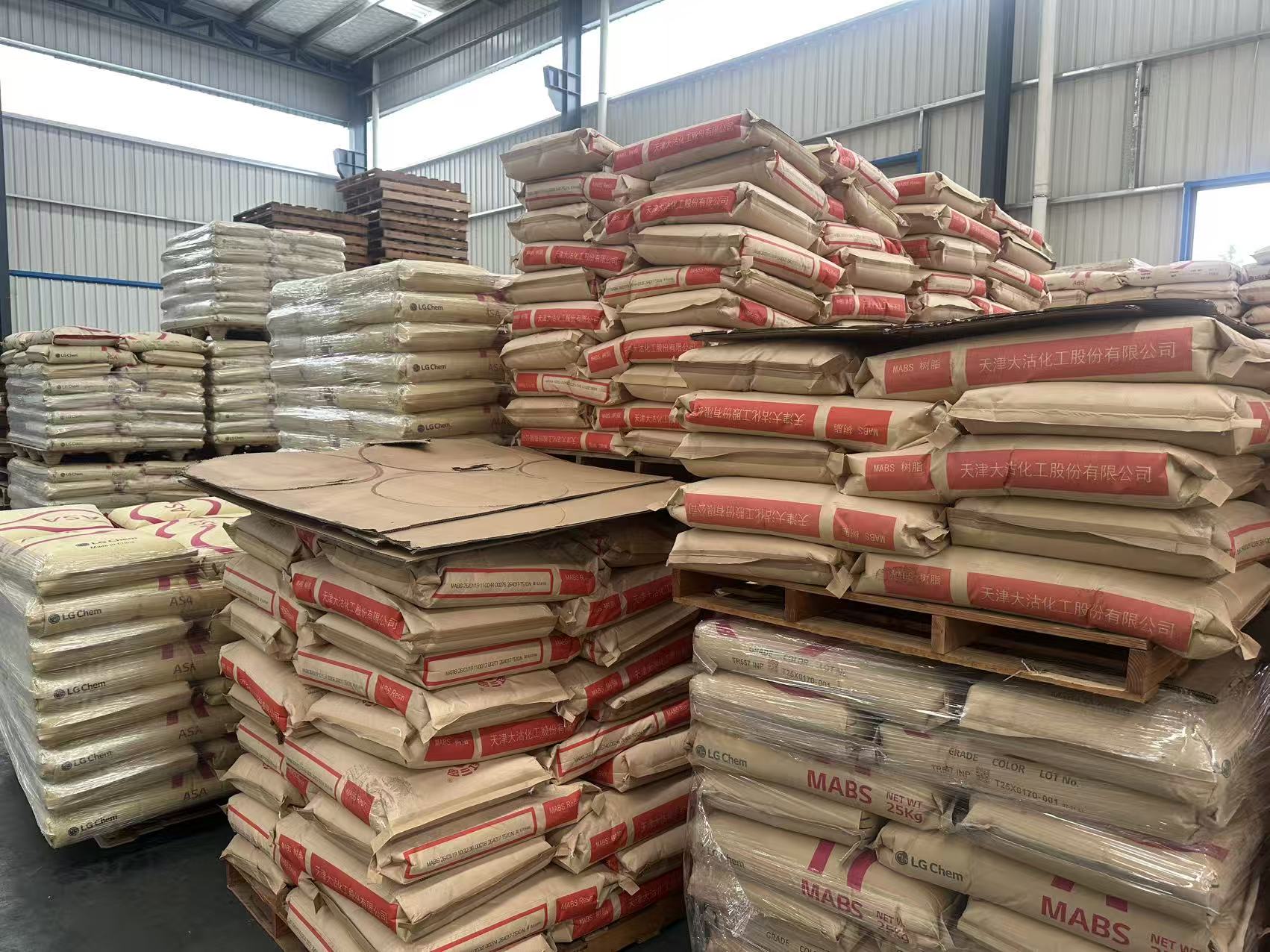
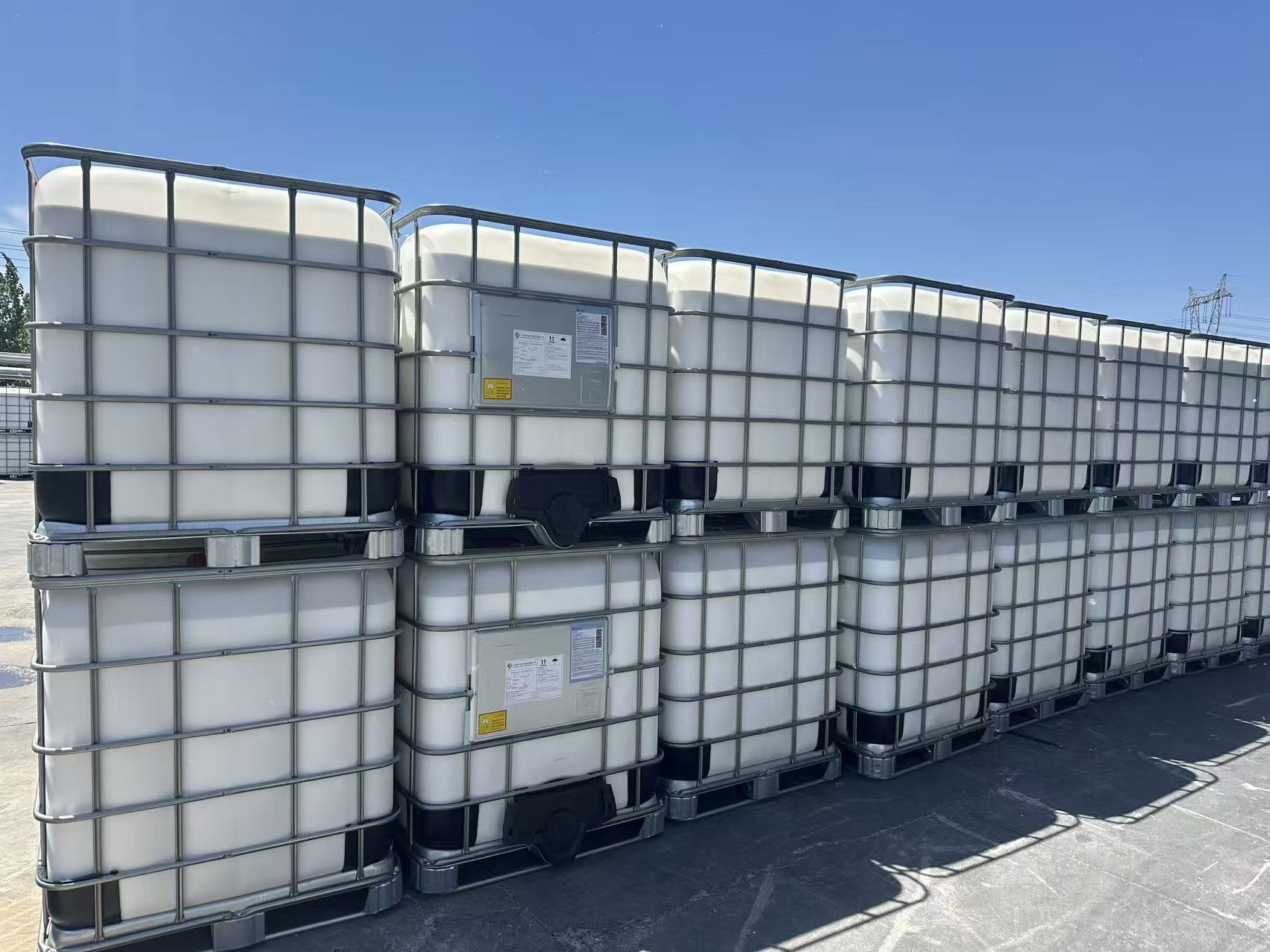
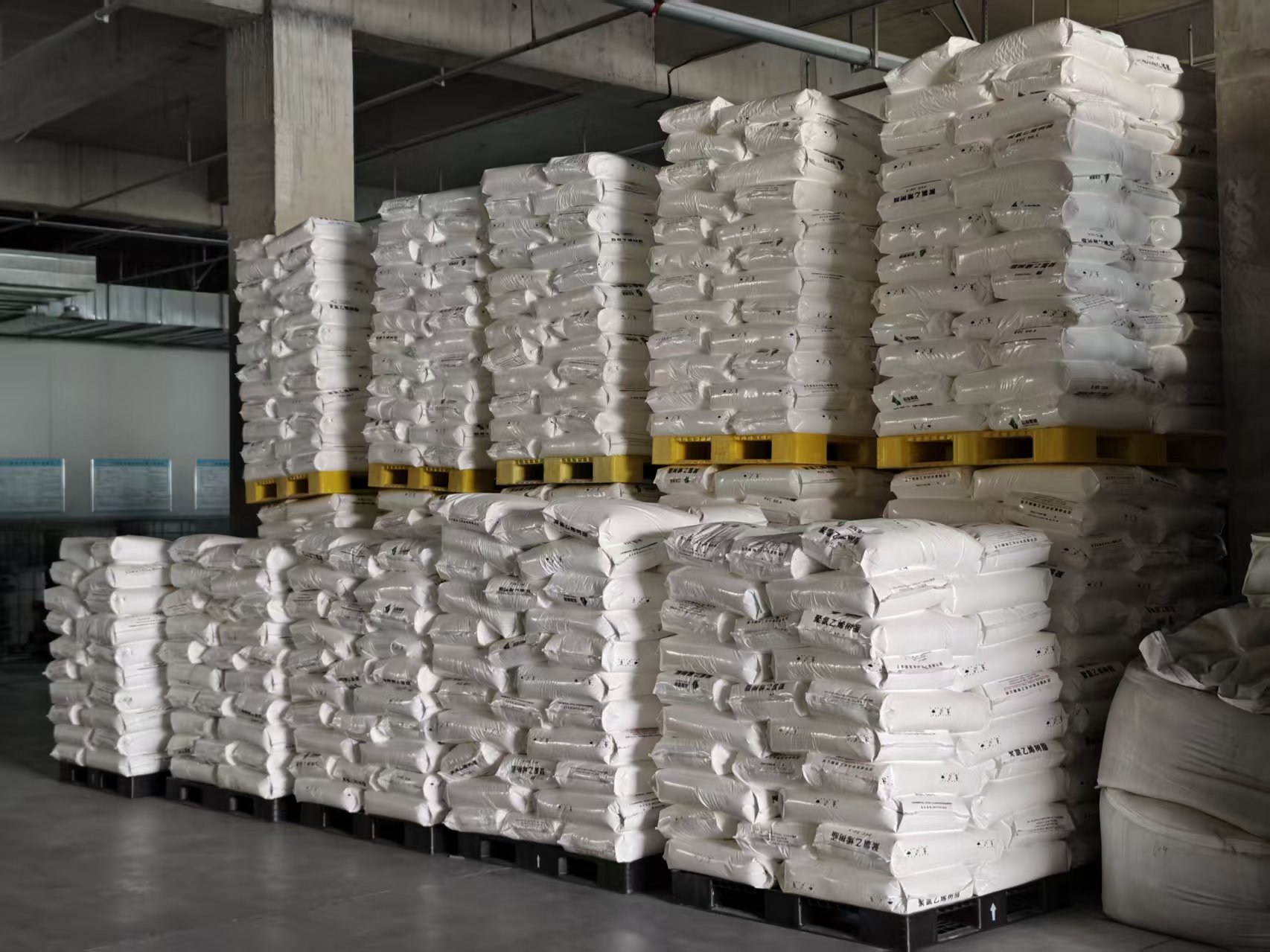
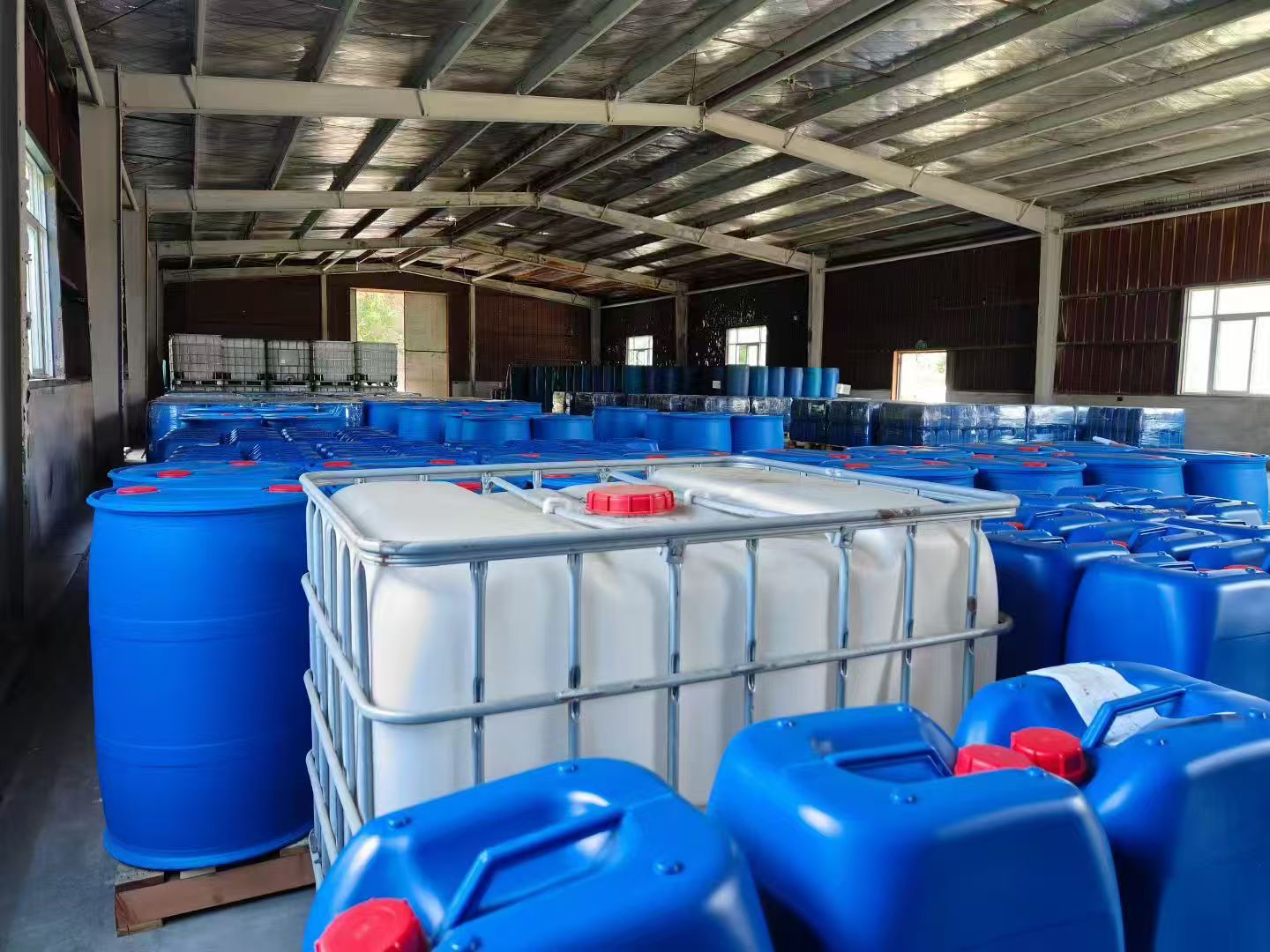
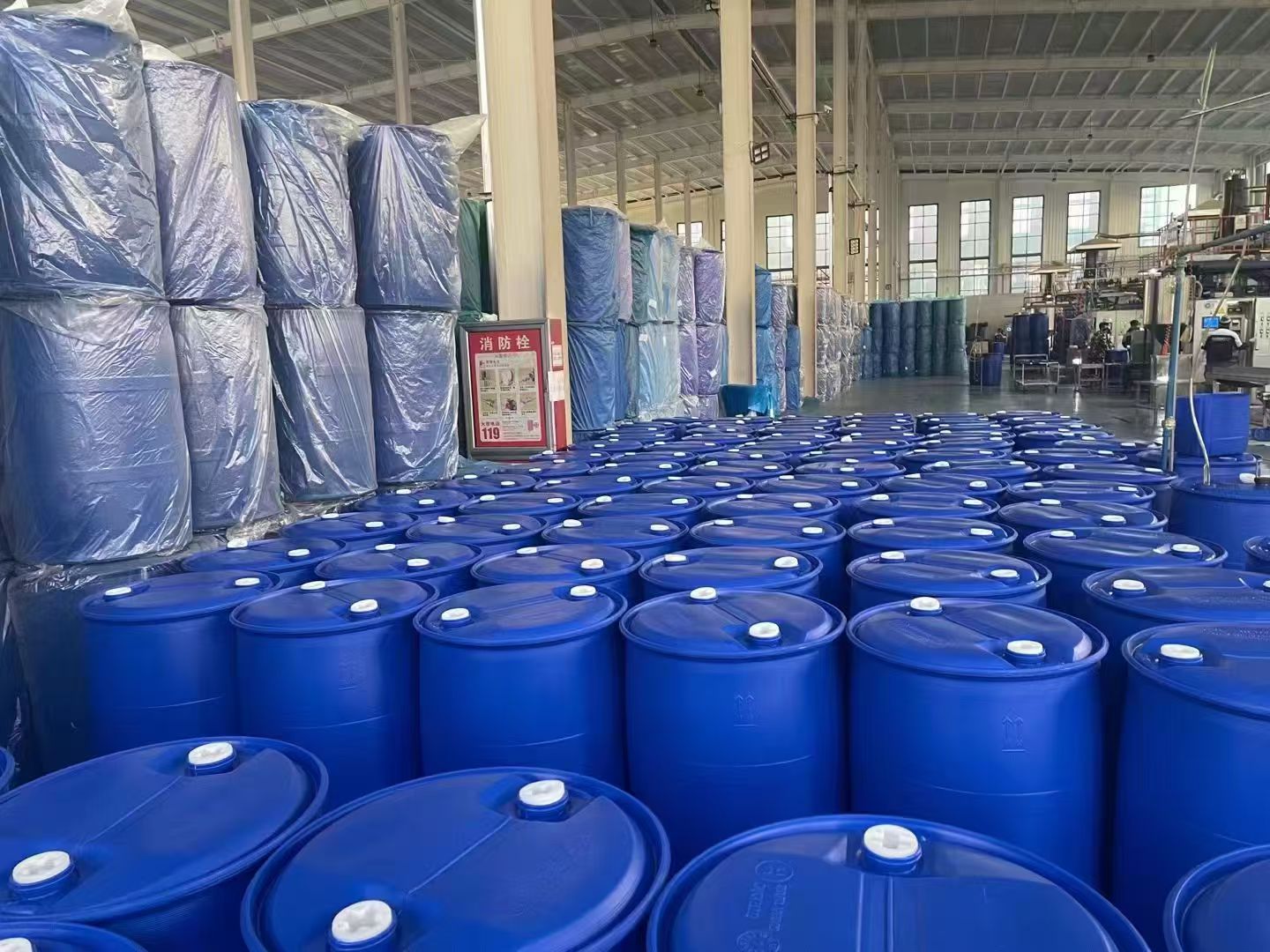
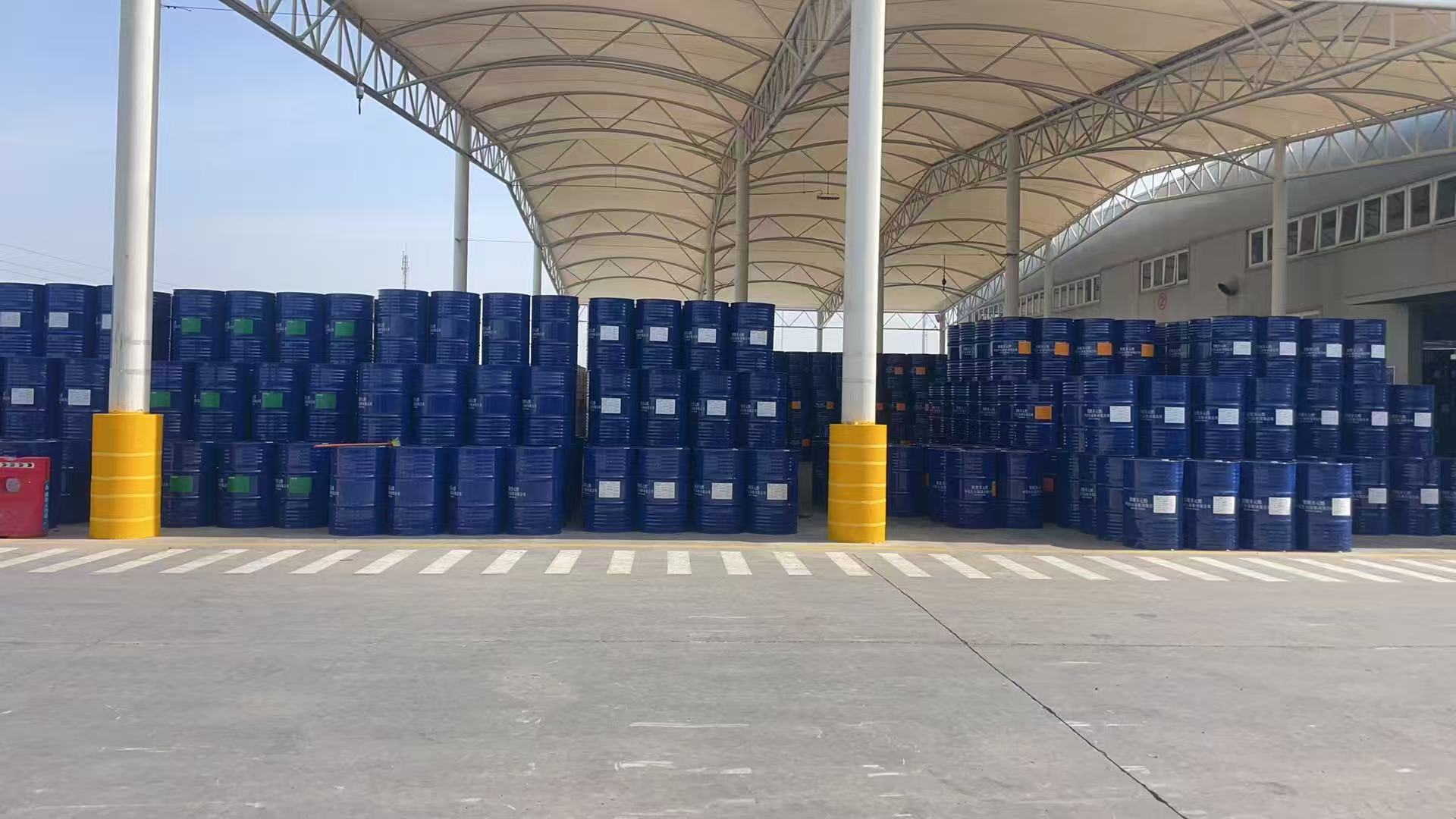
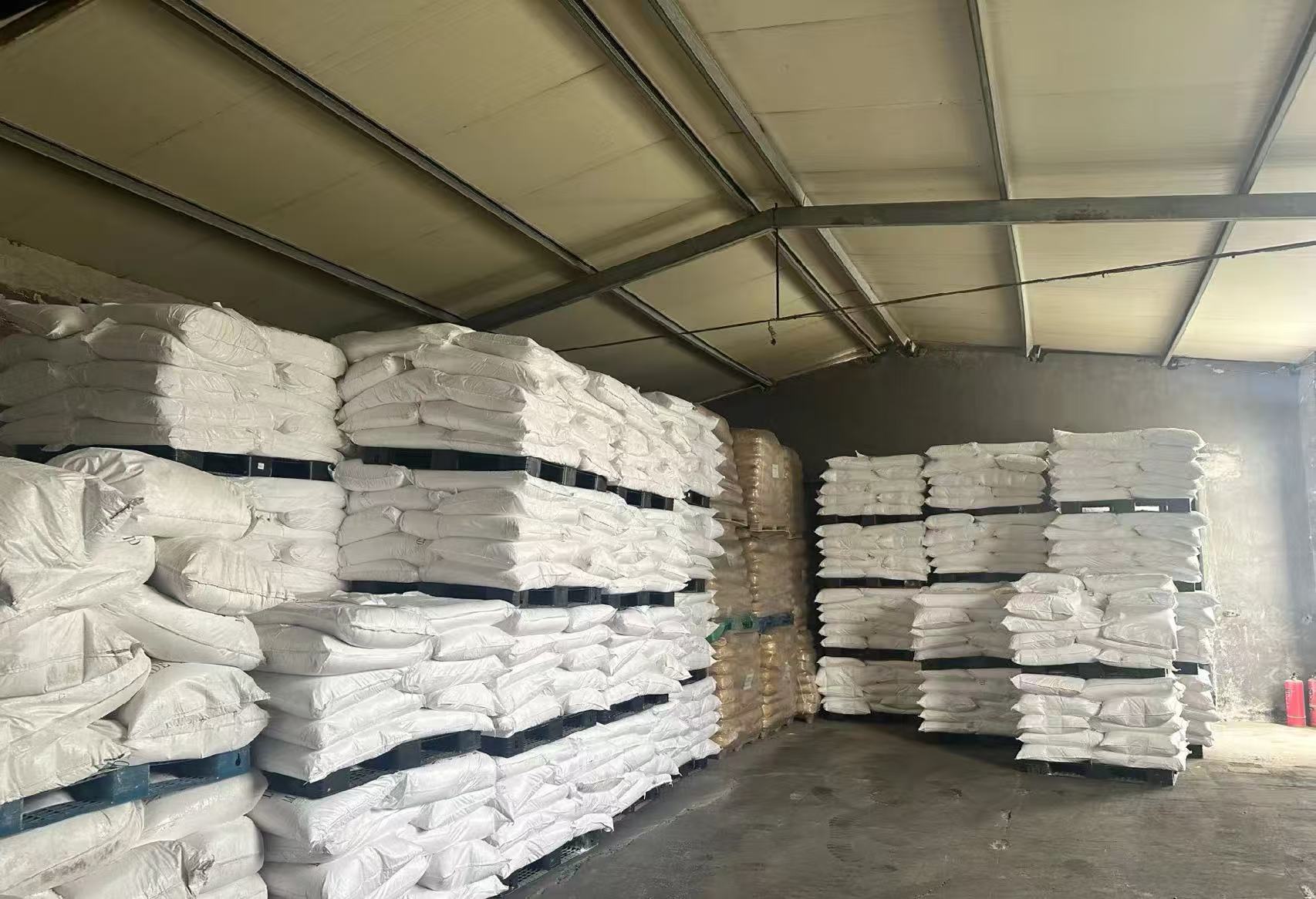
Factory Showcase

Quality Control Lab

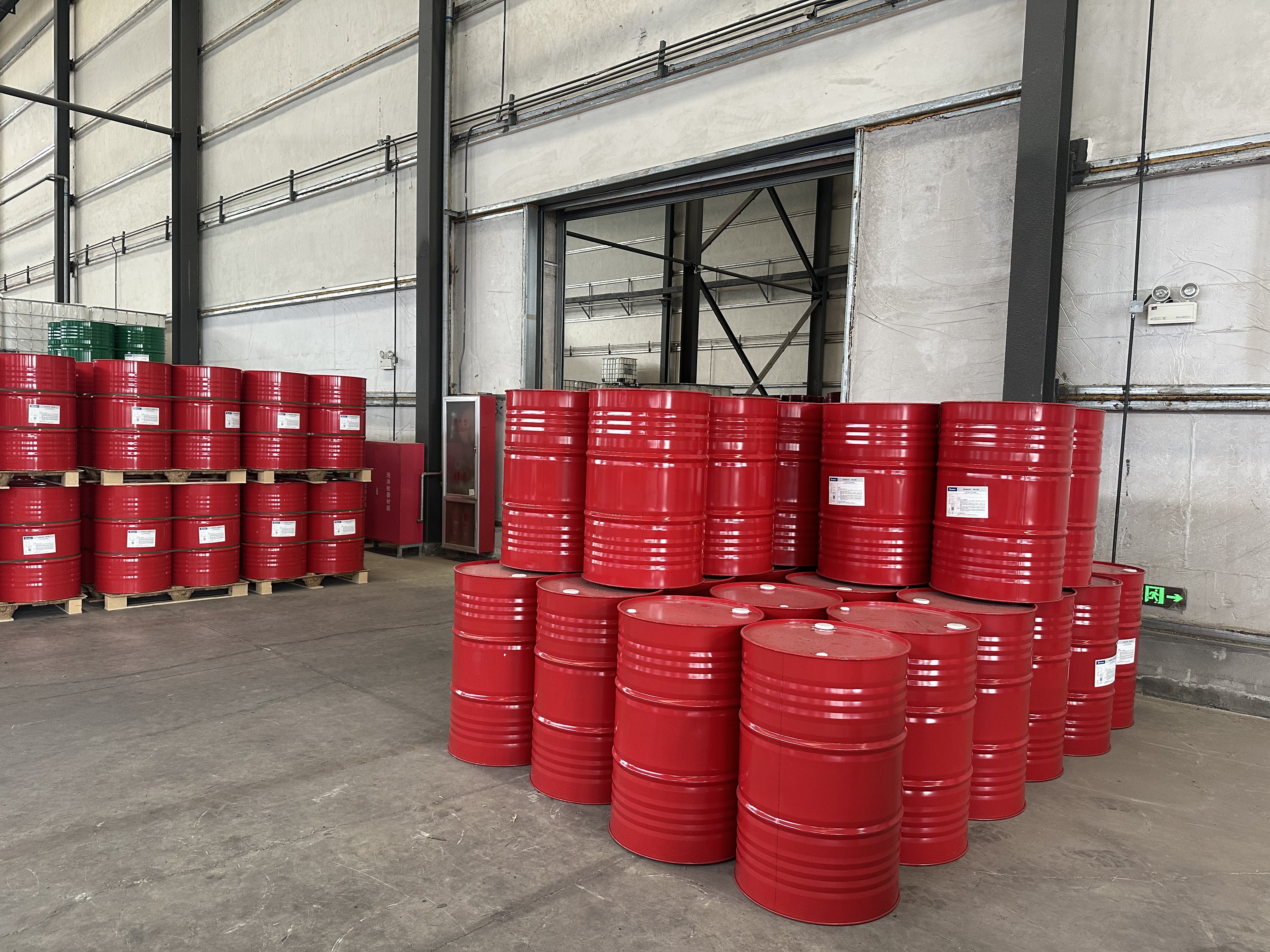
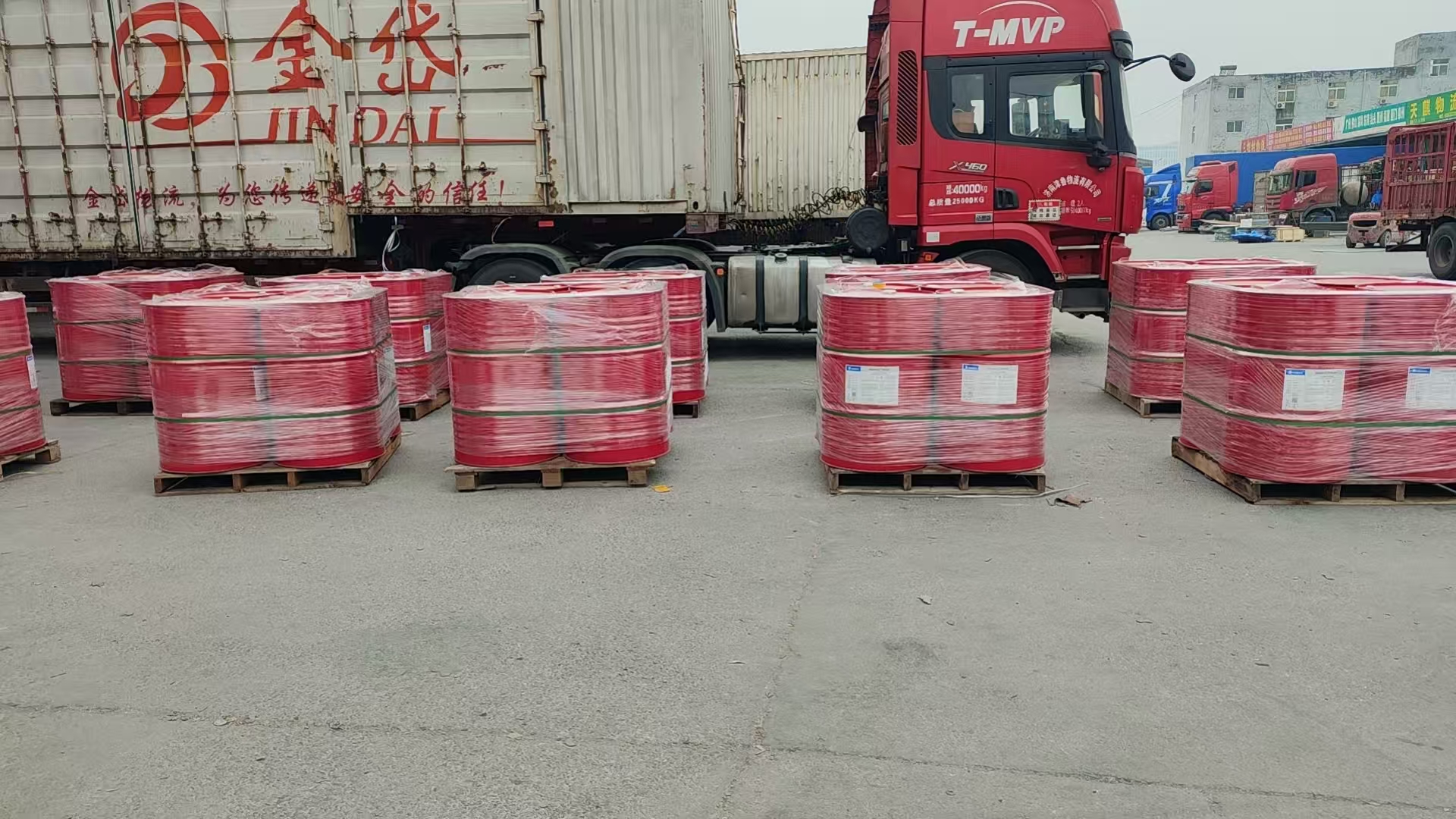
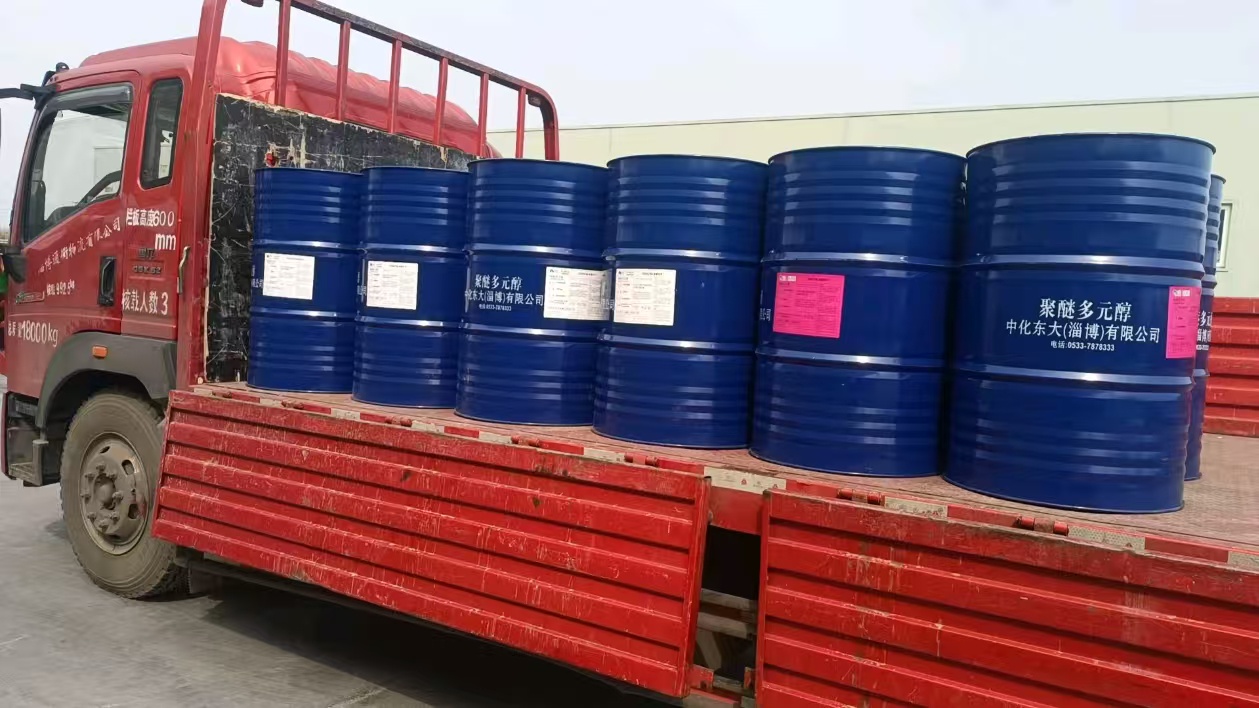
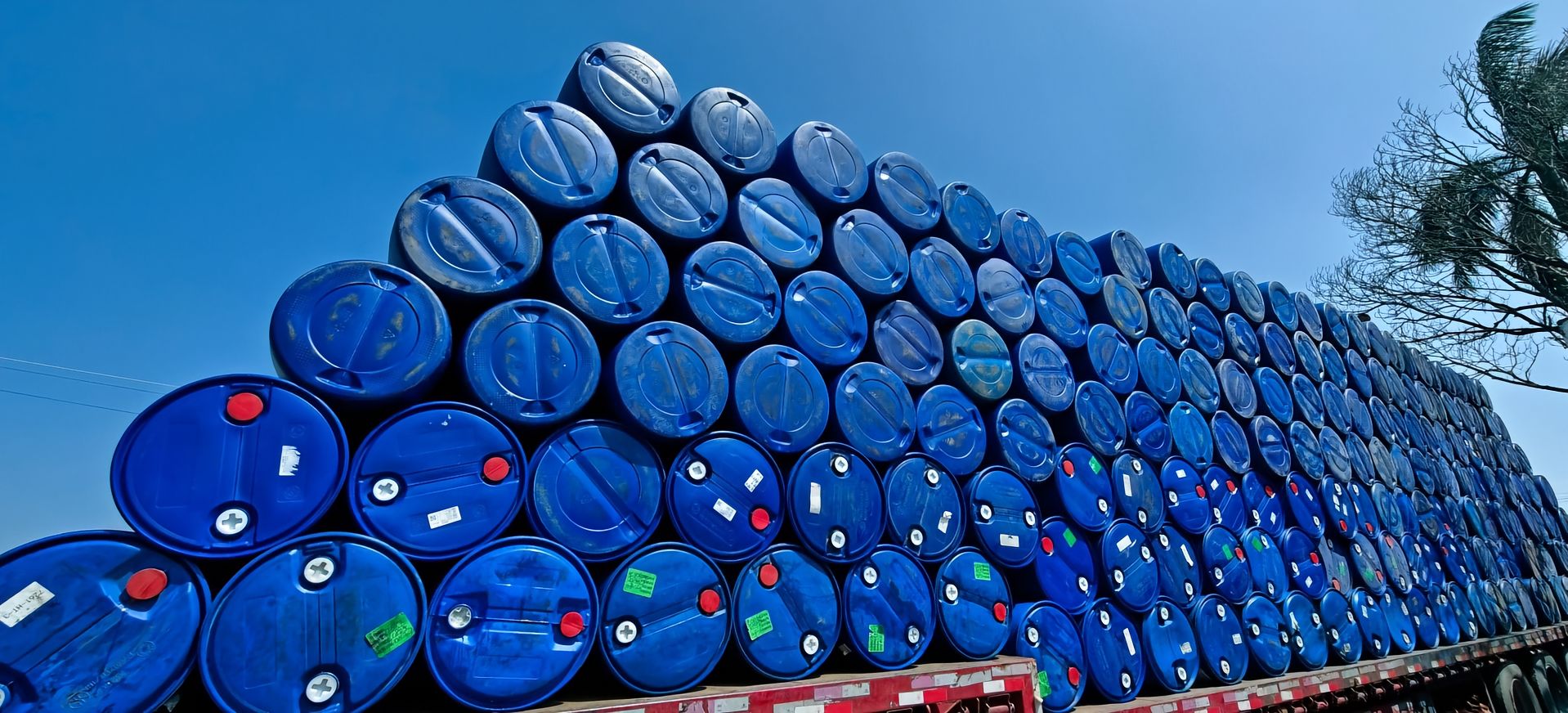
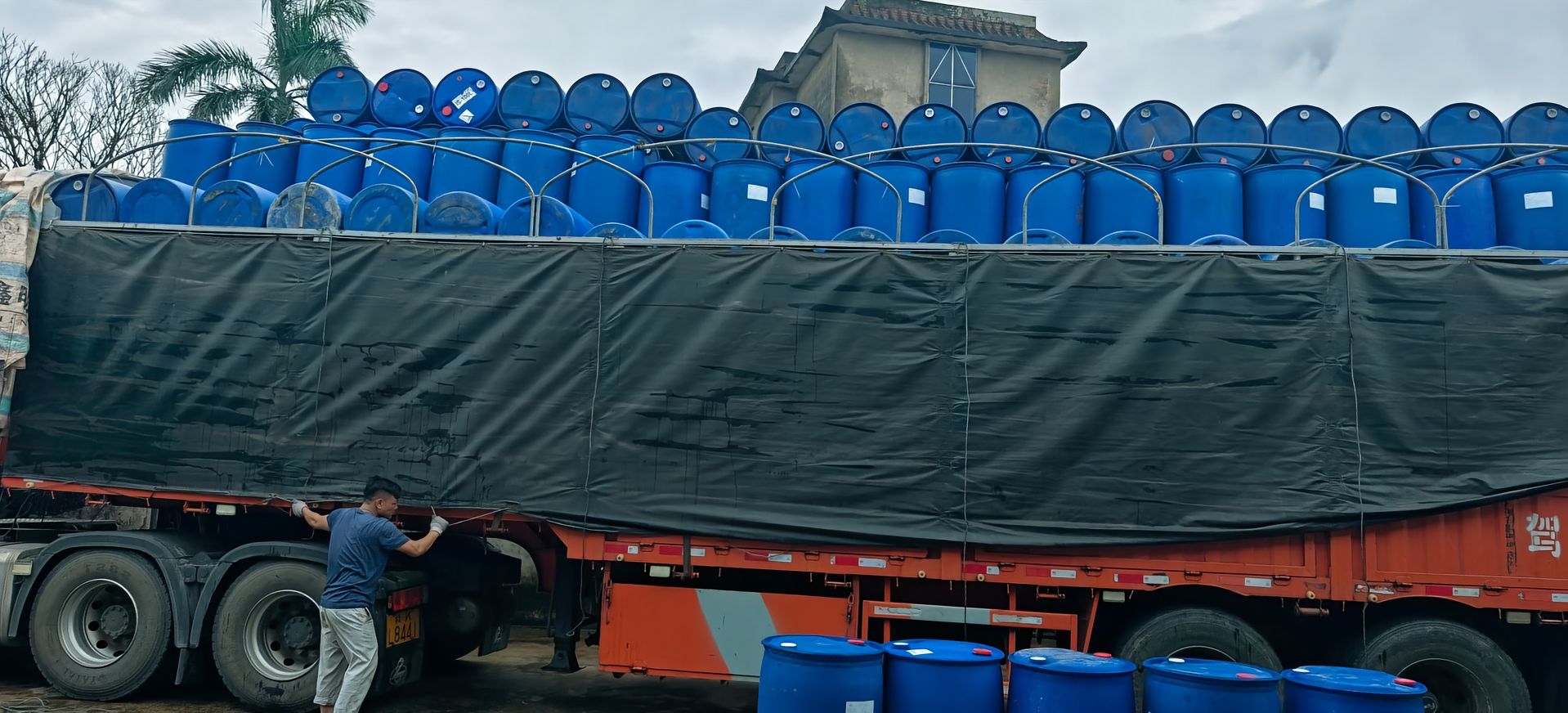
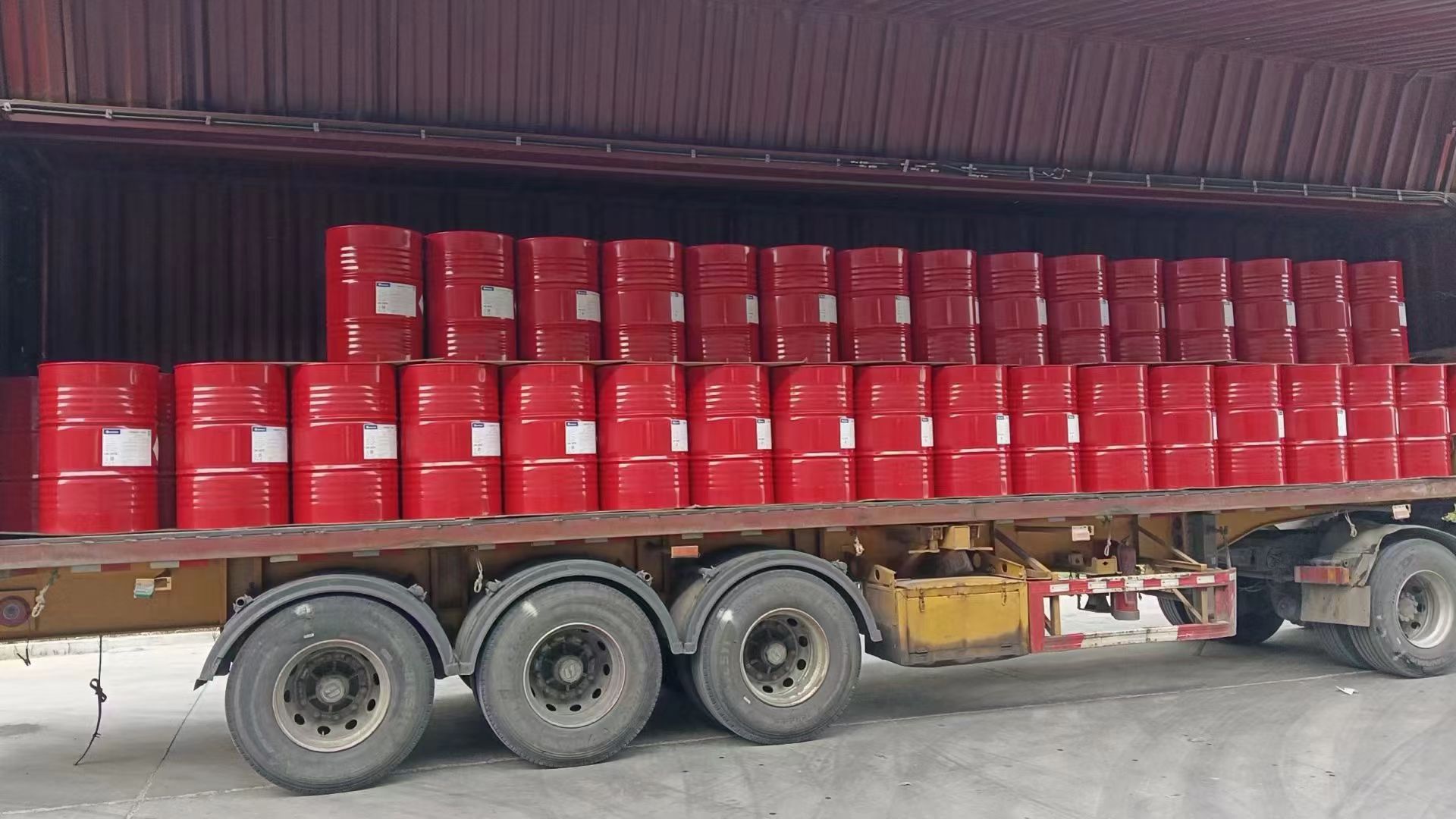
Shipping And Transportation
FAQ
Q1: What international standards do your products and services comply with?
A1: Our products fully comply with international standards such as REACH, MSDS, and COA, and we strictly implement the ISO9001 quality management system. We can also provide third-party testing reports (SGS, BV, etc.) according to customer needs.
Q2: How long does it take for goods to be delivered to my country?
A2: The delivery time depends on the transport mode and destination country. Generally, sea transport takes 15-30 days, air transport takes 3-7 days, and we will optimize the transport route to shorten the delivery time as much as possible.
Can you provide customs clearance services for dangerous chemicals?
A3: Yes. Our team is proficient in the customs clearance procedures for dangerous chemicals in various countries, and can provide professional compliant declaration and customs clearance services to ensure smooth customs clearance.
Q4: Do you provide customized product and service solutions?
A4: Yes. We can provide personalized product customization and export service solutions according to your specific needs (product specifications, application scenarios, procurement volume, etc.).
Contact Us
Related Recommendations
 MOP60%-62%MOP60-62%, also known as Muriate of Potash, is the most widely used potassium fertilizer globally. It provides a high concentration of potassium, with a minimum guaranteed content of 60% K₂O (equivalent to 62% KCl). This fertilizer is essential for plant health, as potassium regulates water uptake, enzyme activation, and photosynthesis. MOP is valued for its high nutrient density, cost-effectiveness, and versatility. It is suitable for a broad range of crops and soil types, significantly enhancing yield, quality, and stress tolerance. While highly effective, its chloride content requires consideration for chloride-sensitive crops.
Learn More →
 MOPPhysical properties: colorless thin diamond or cubic crystal or white crystalline powder, no smell, taste salty, soluble in water, soluble in glycerol, slightly soluble in ethanol; relative density 1.987, melting point 773 degrees.
Learn More →