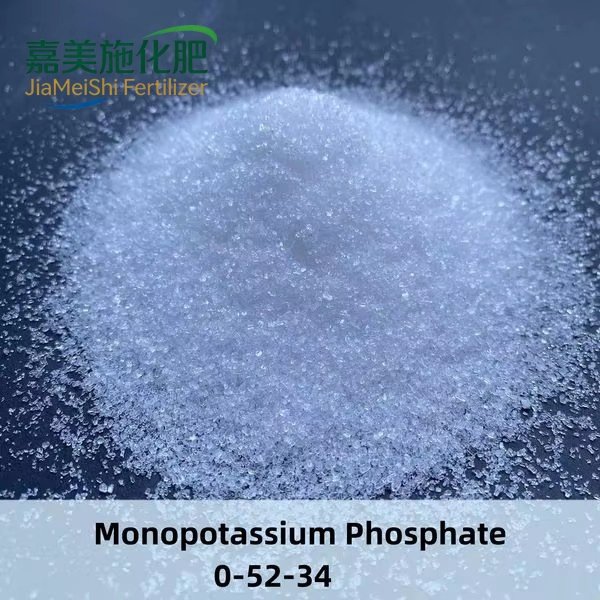
MKPO52-34
Product Details
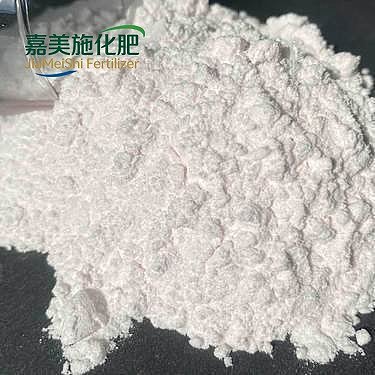
Synergistic Effect: The high potassium content enhances the mobility and utilization of phosphorus within the plant.
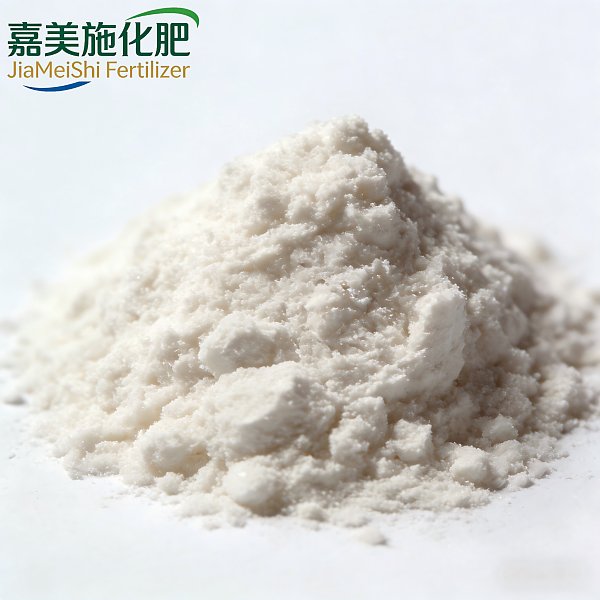
Note: MKPO52-34 is essentially a specific grade or brand name for a fertilizer with a composition very similar to Monopotassium Phosphate (MKP), but with a slightly adjusted ratio favoring potassium. It is designed for situations where a higher potassium-to-phosphorus ratio is desired.
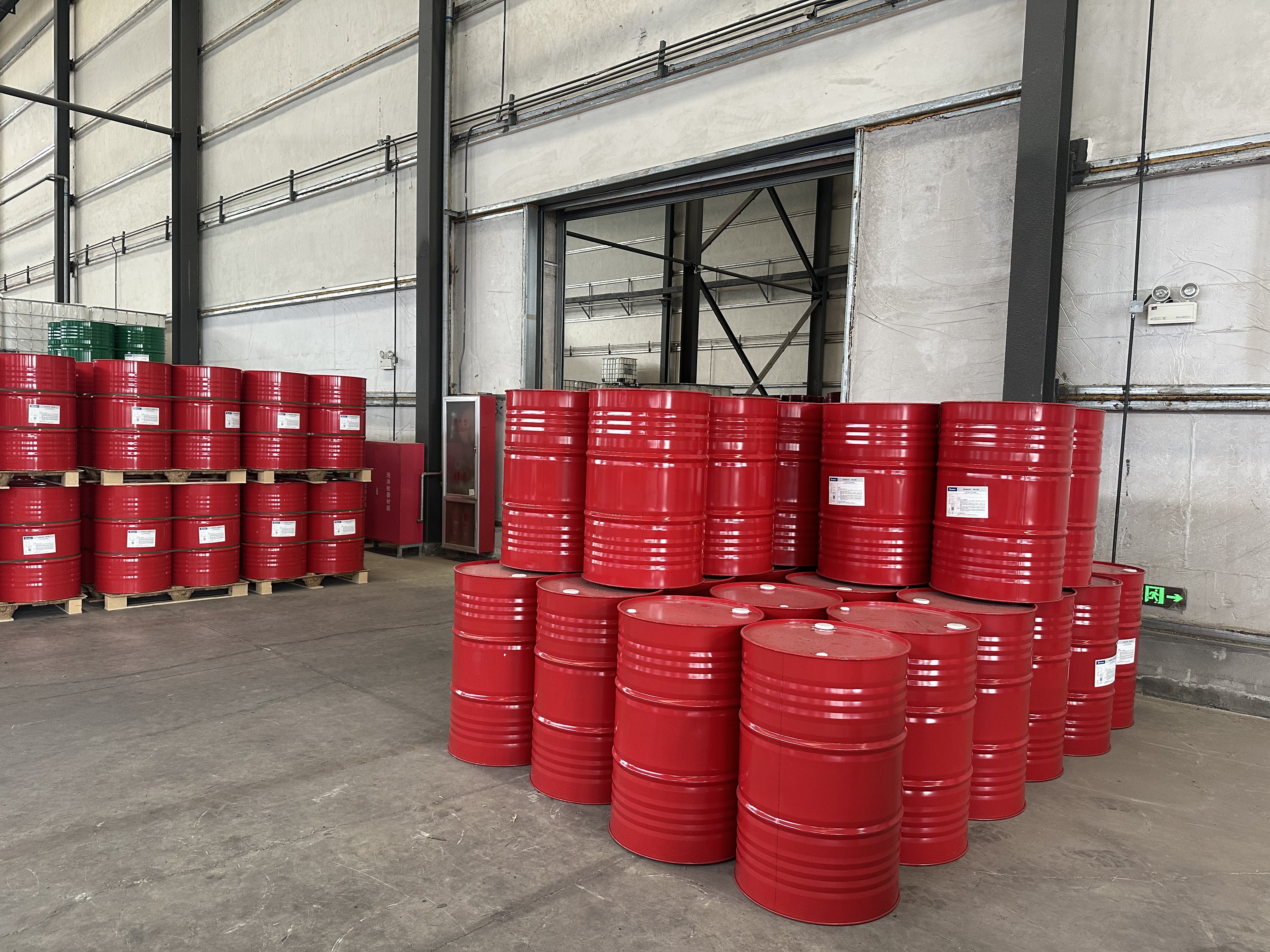
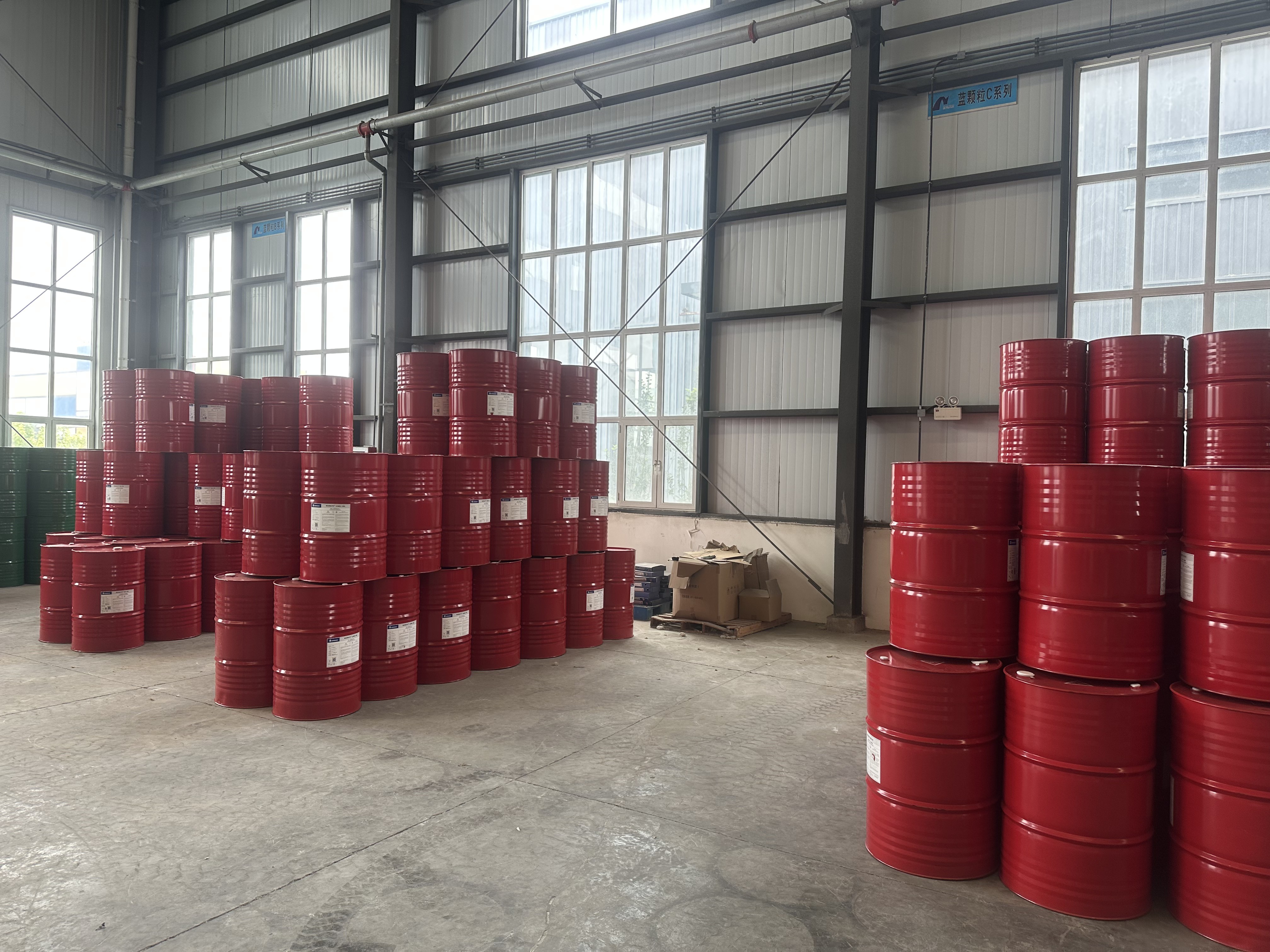
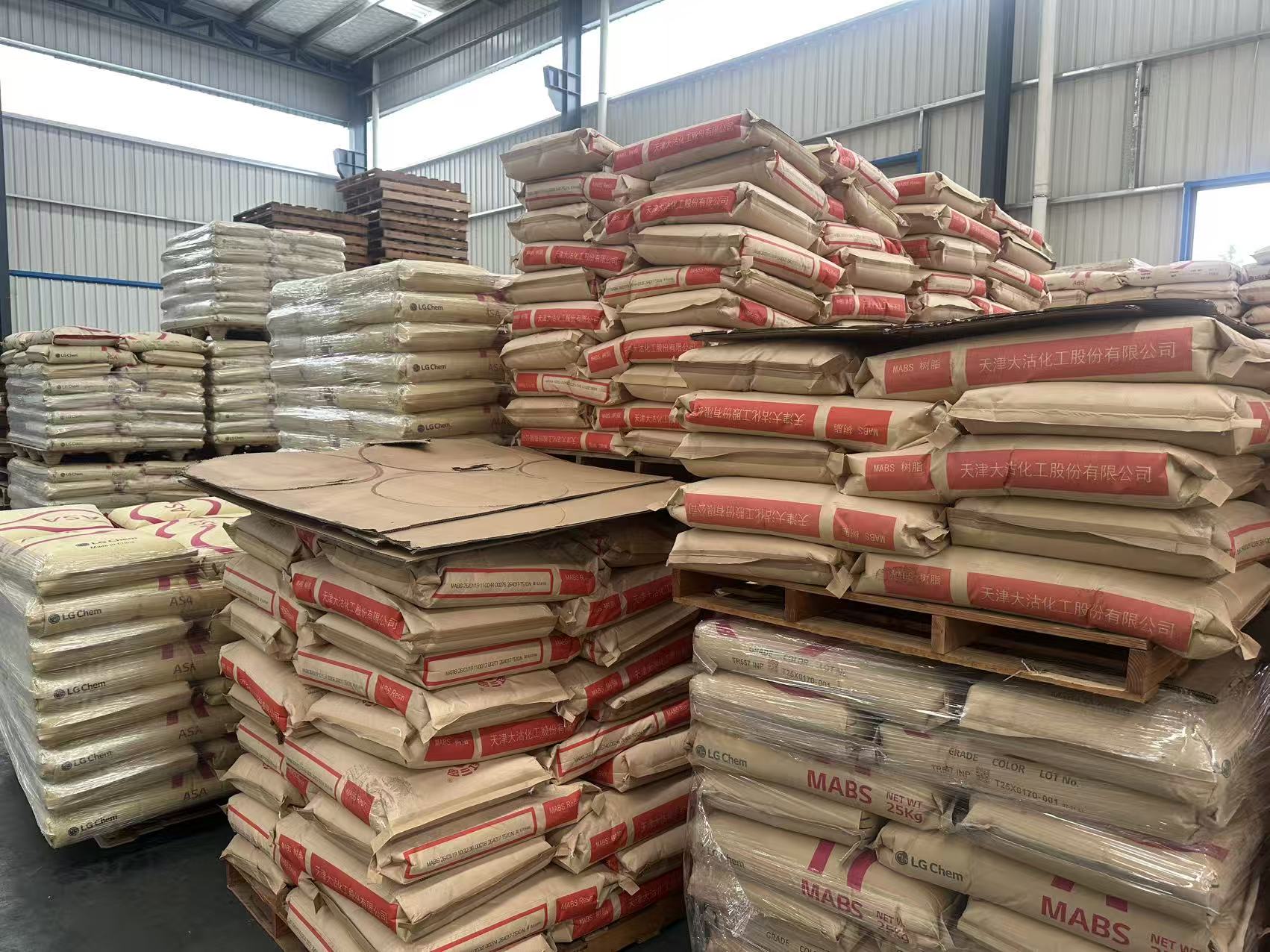
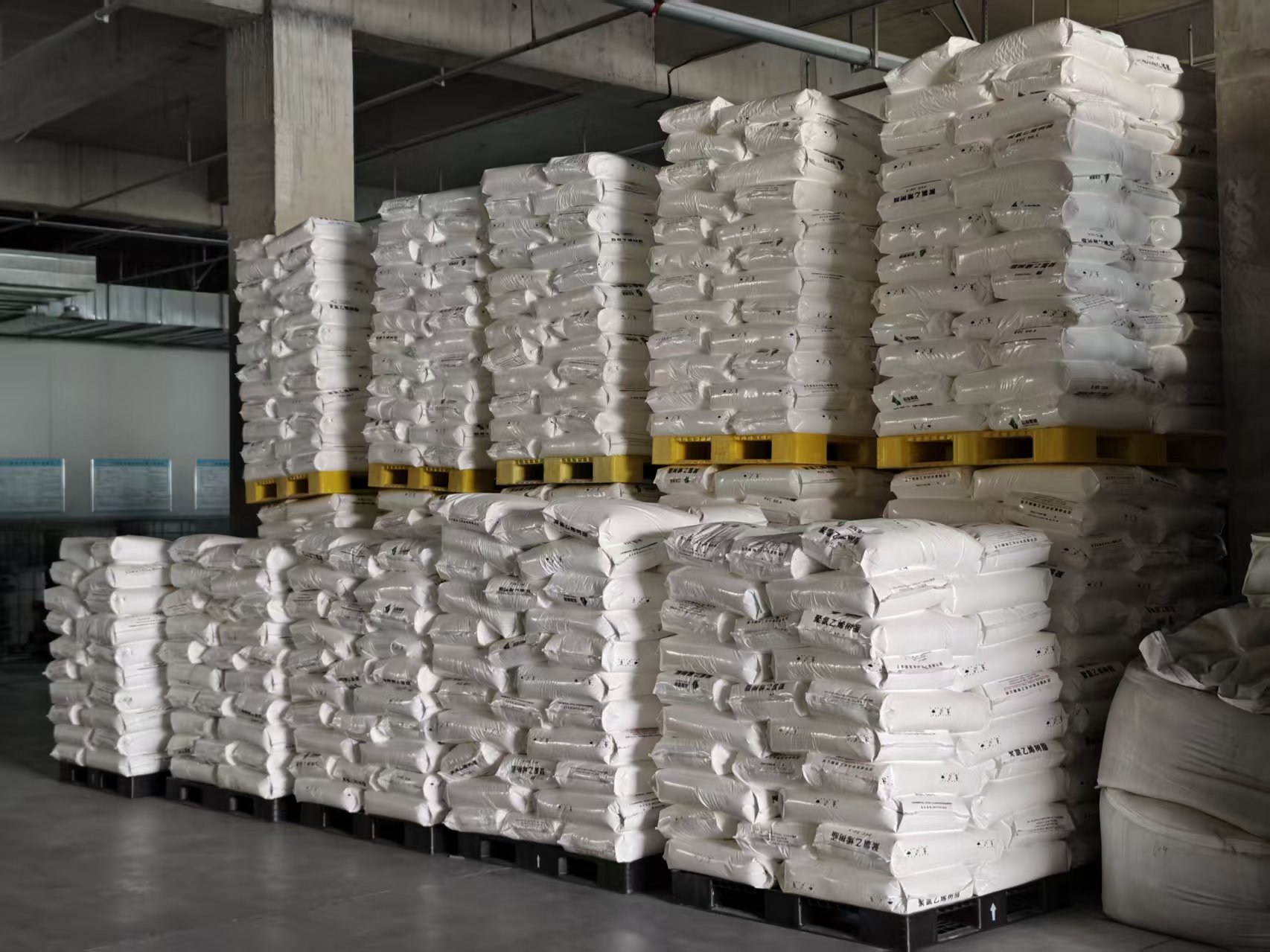
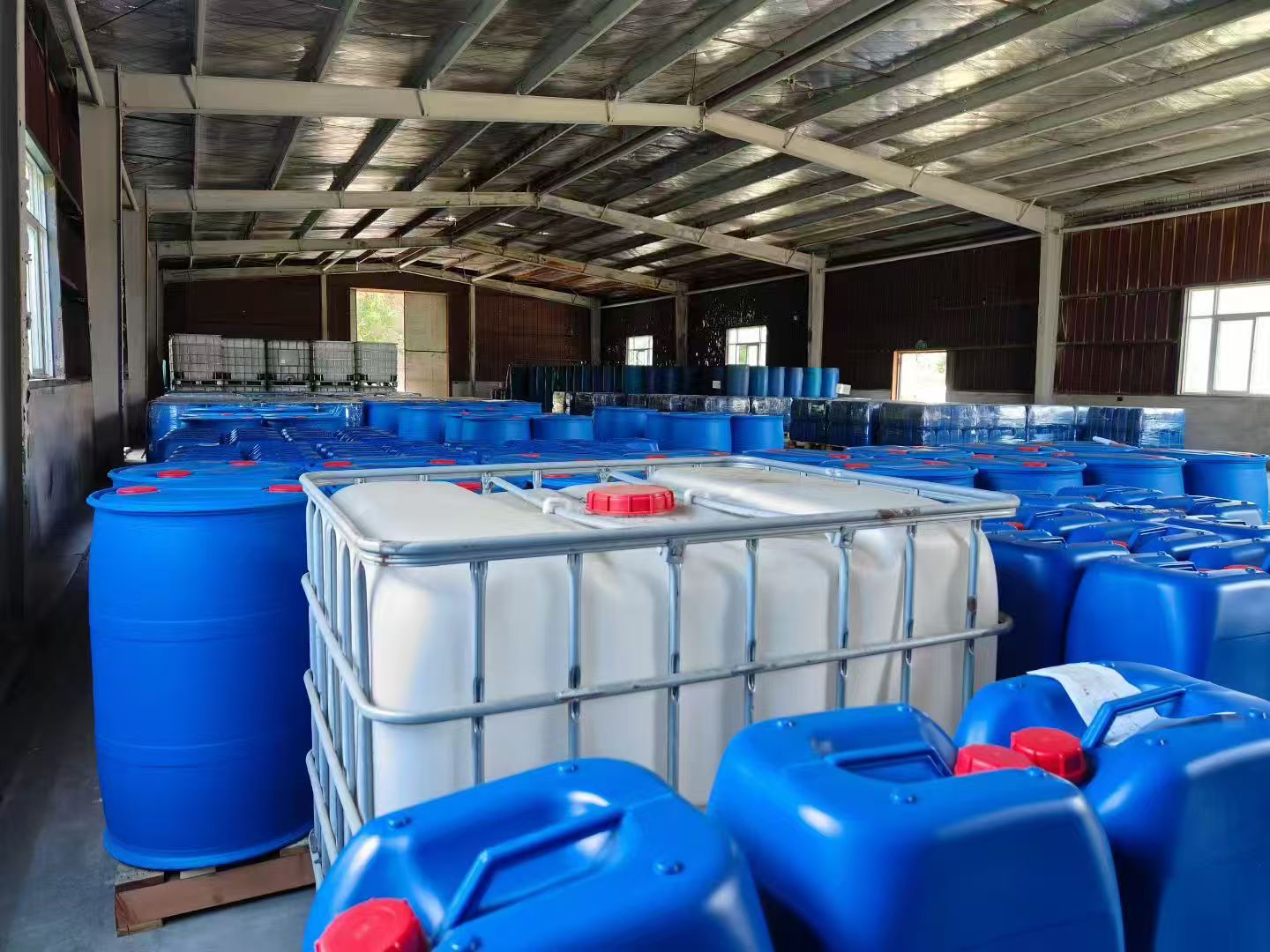
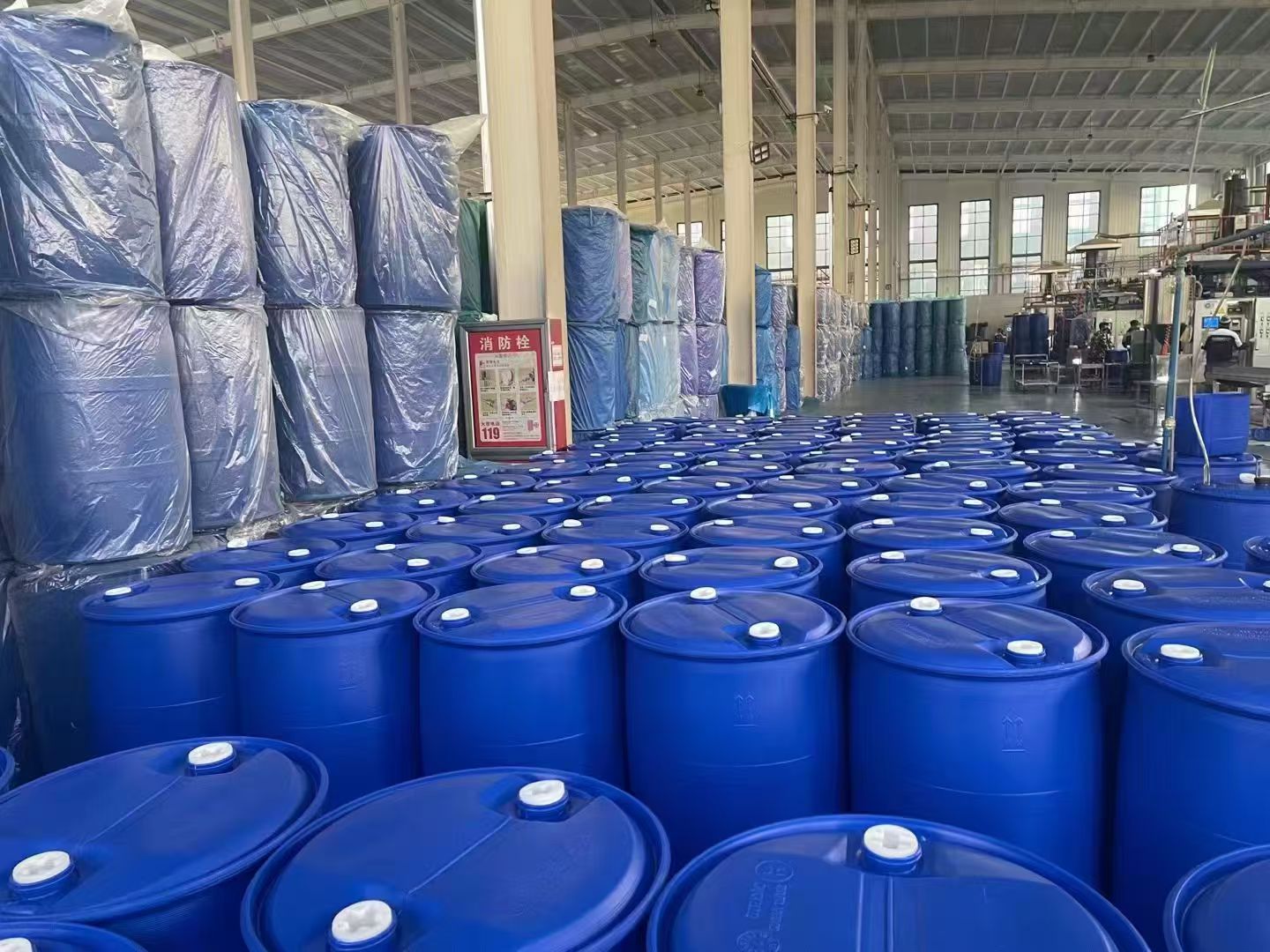
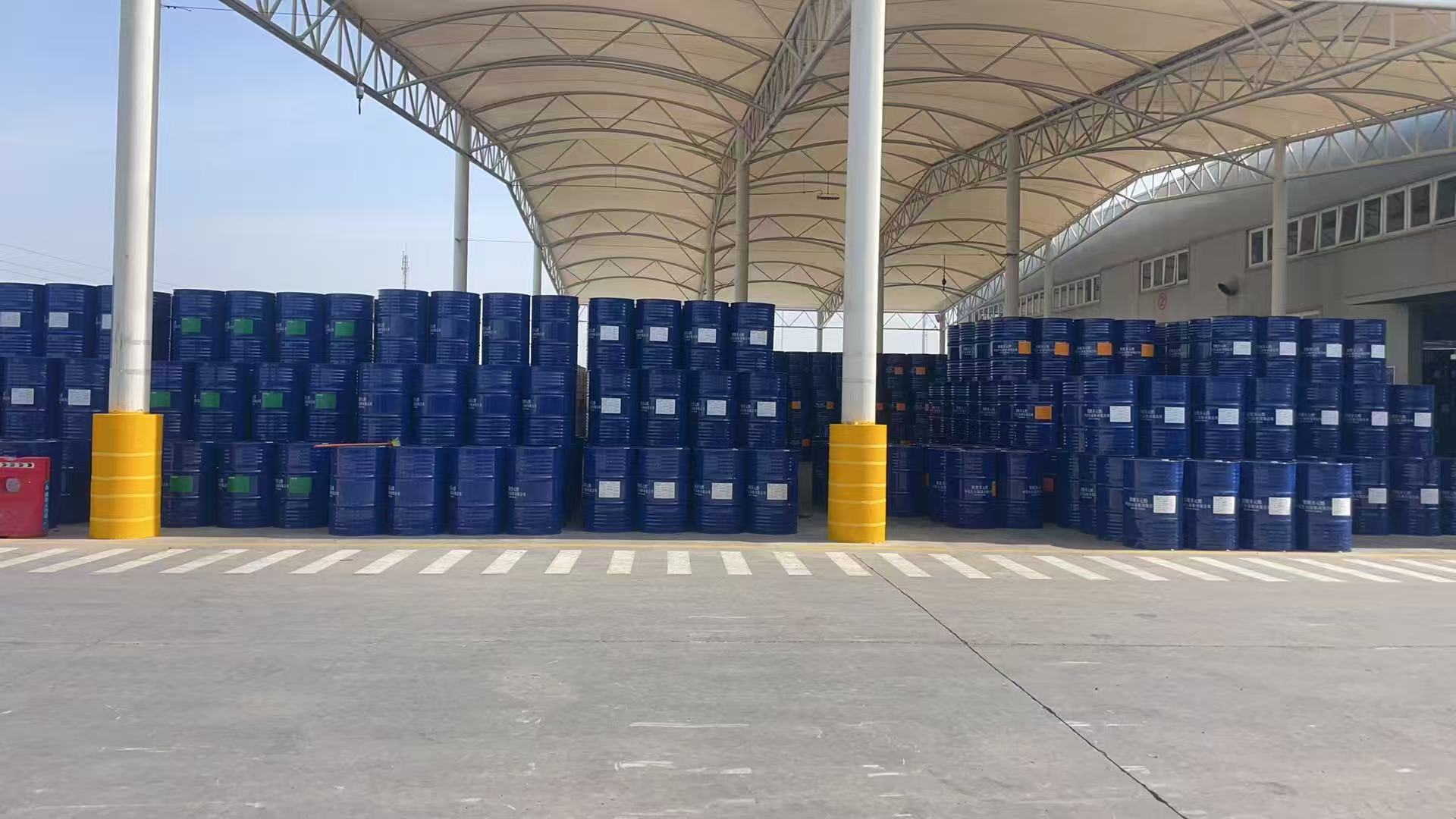
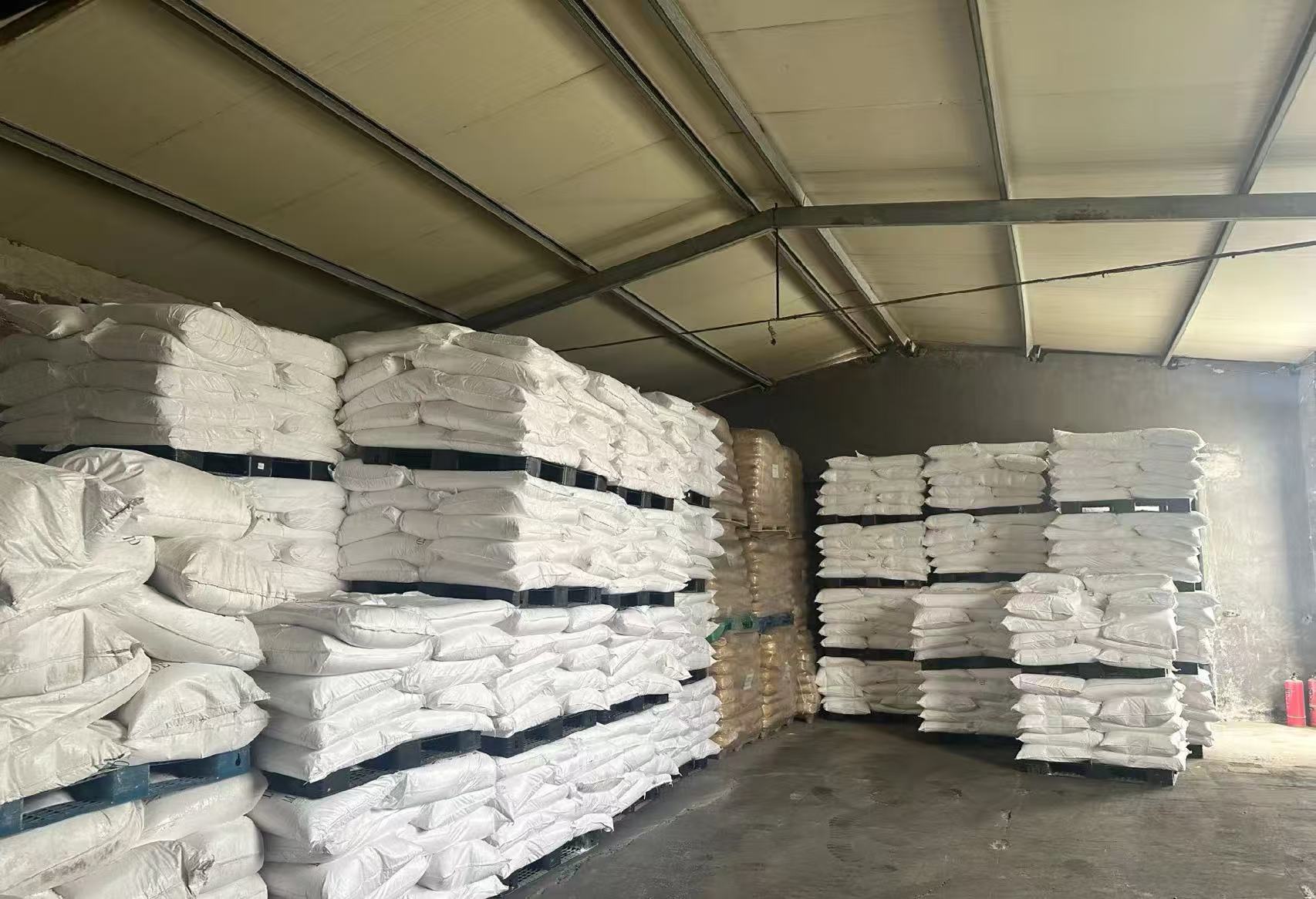
Factory Showcase

Quality Control Lab

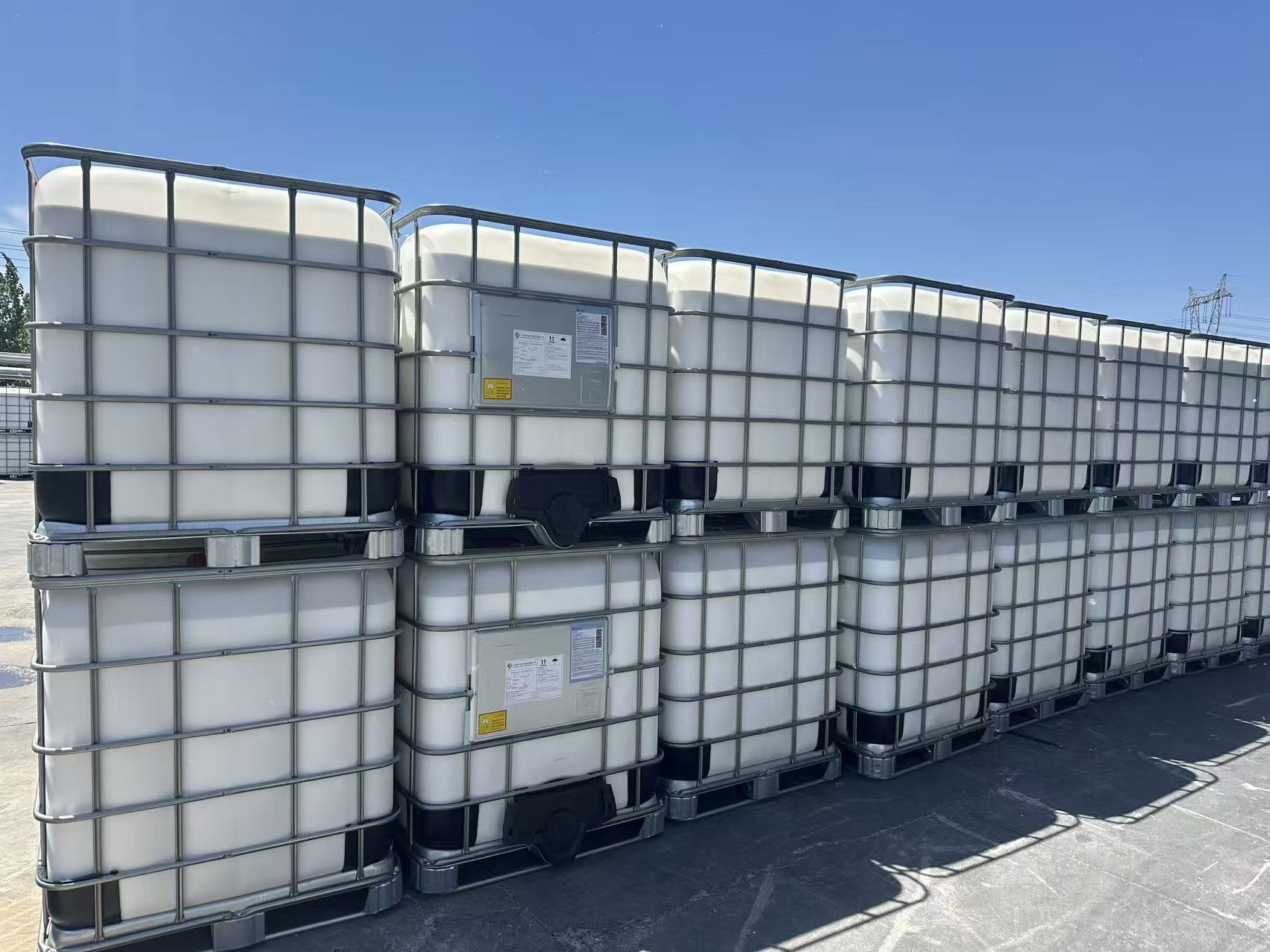
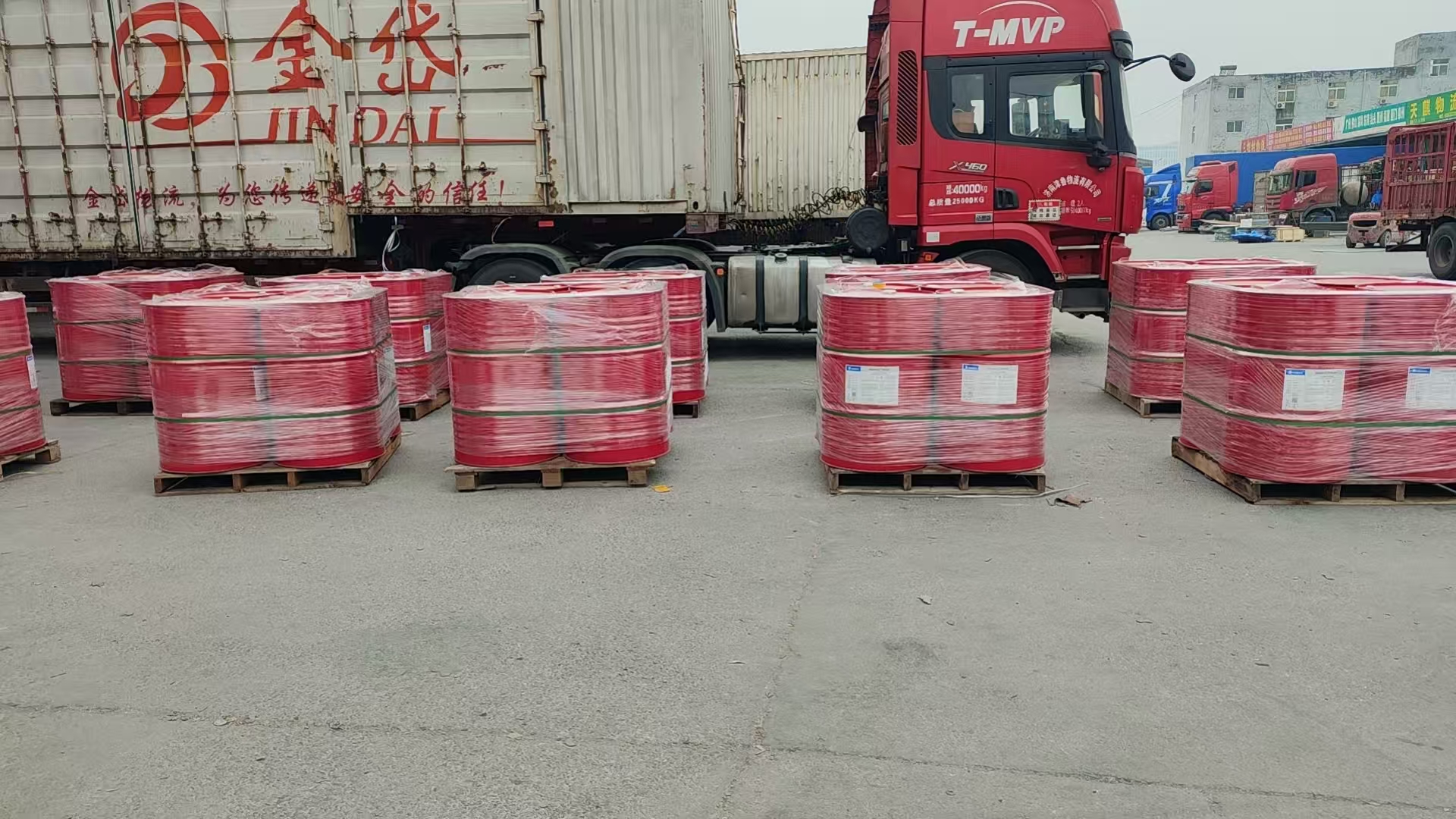
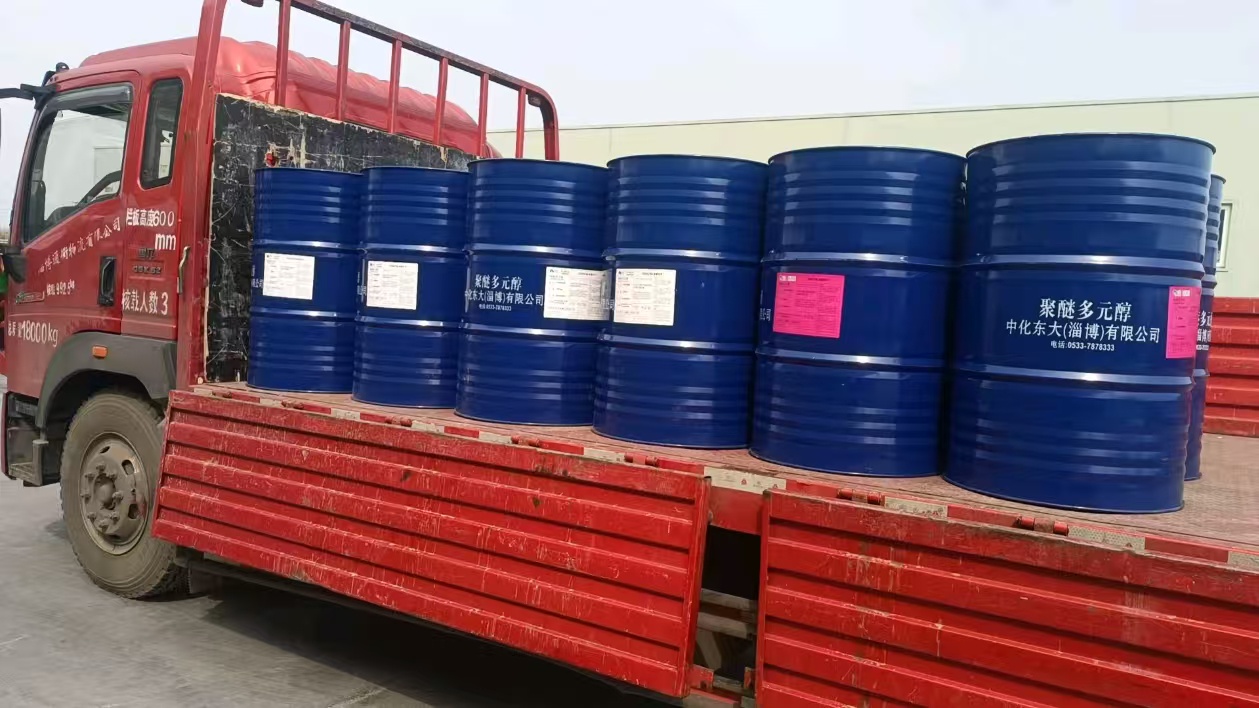
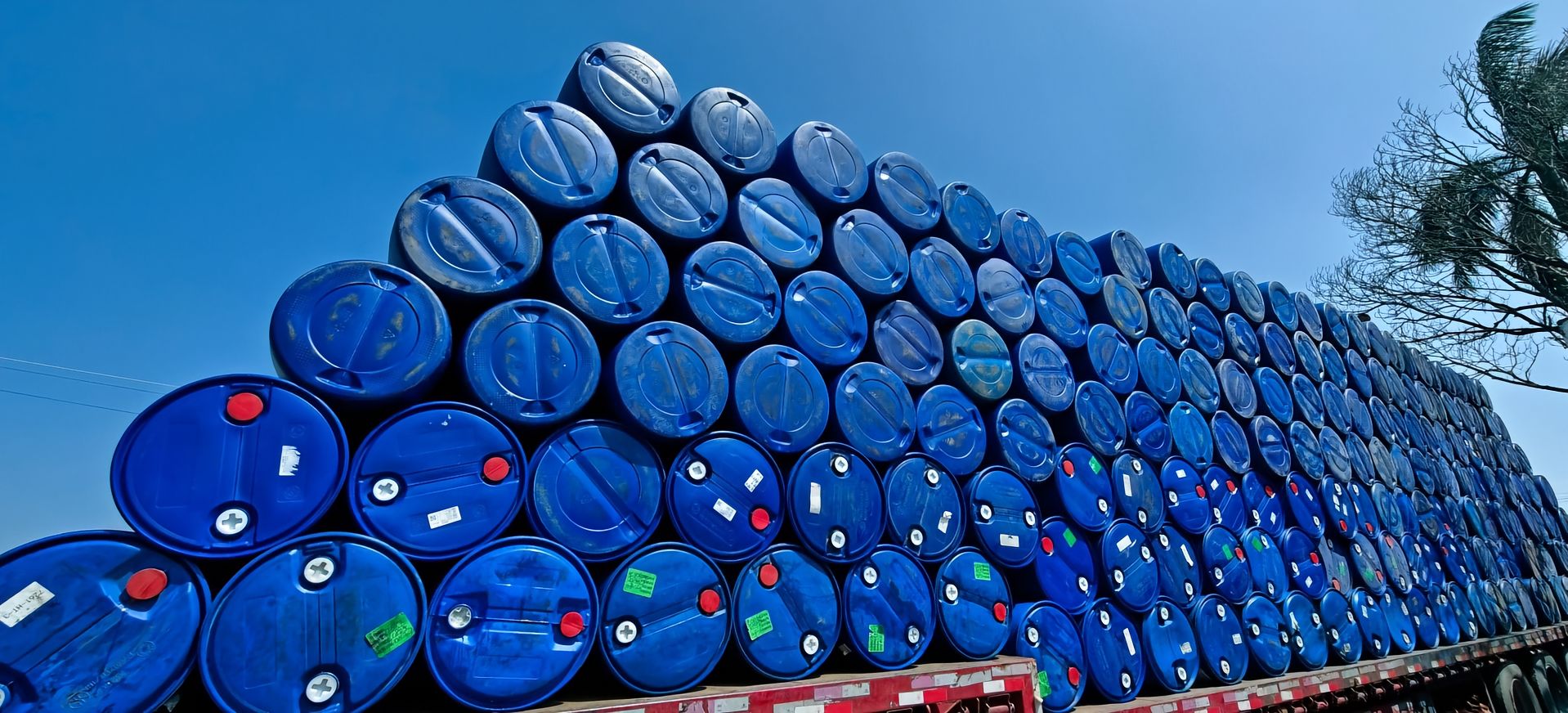
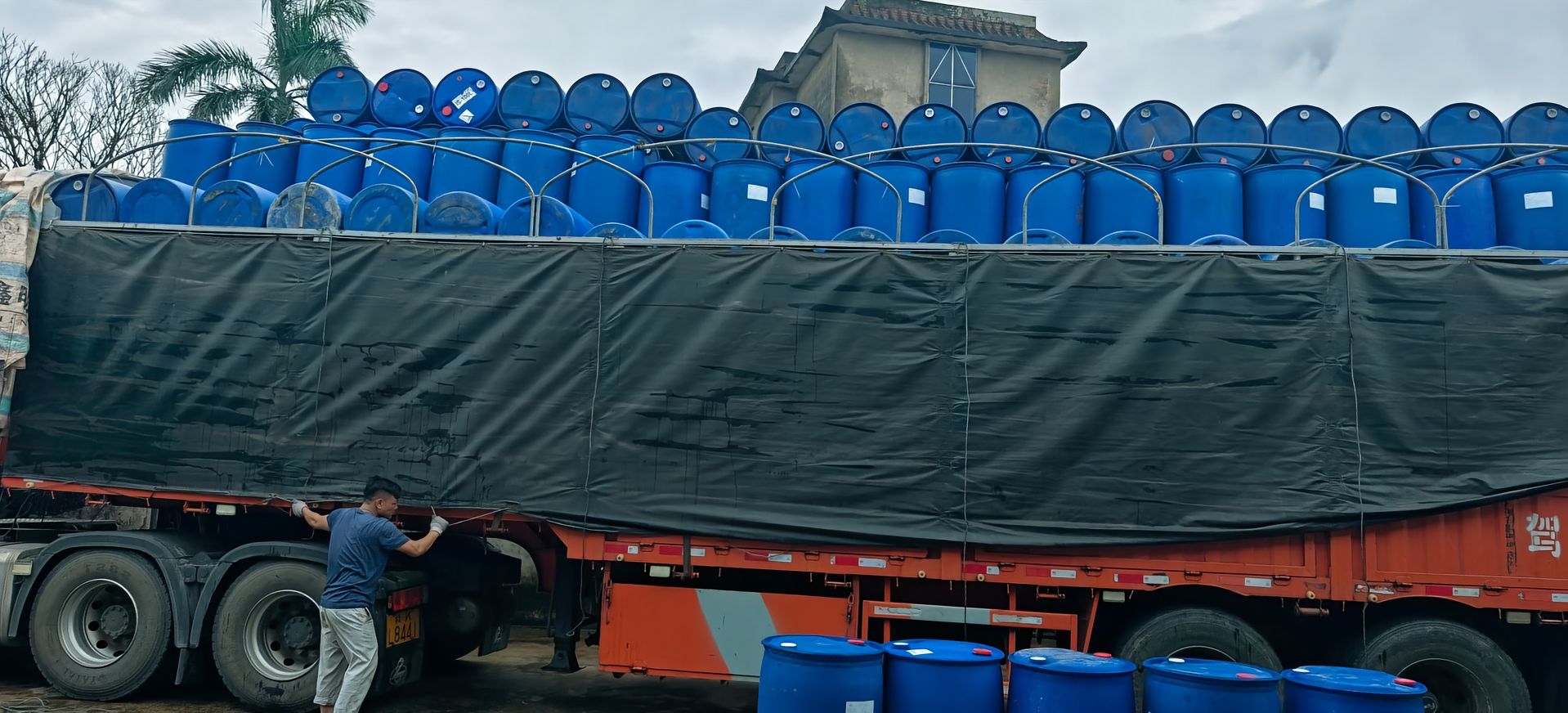
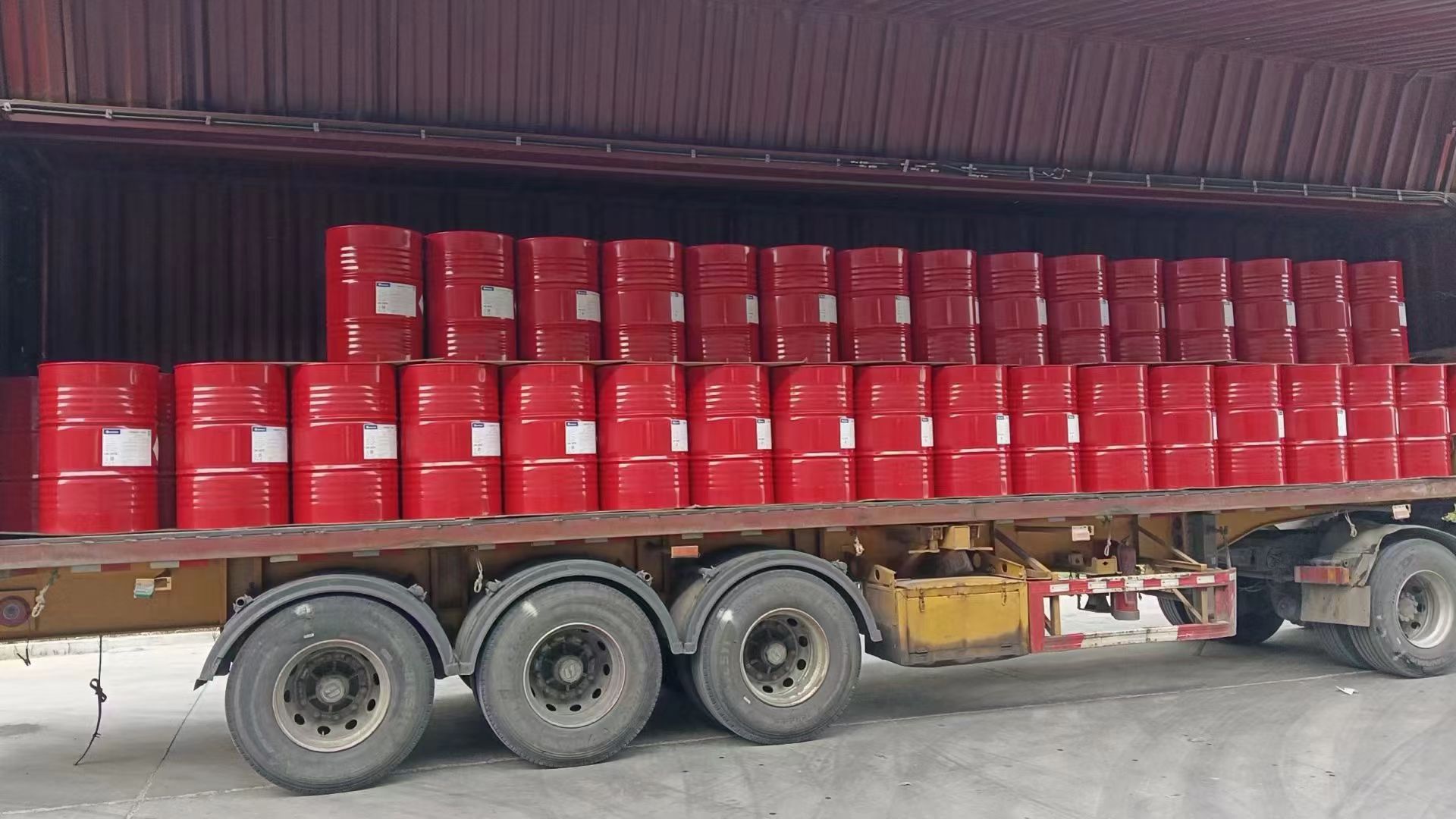
Shipping And Transportation
FAQ
Q1: What international standards do your products and services comply with?
A1: Our products fully comply with international standards such as REACH, MSDS, and COA, and we strictly implement the ISO9001 quality management system. We can also provide third-party testing reports (SGS, BV, etc.) according to customer needs.
Q2: How long does it take for goods to be delivered to my country?
A2: The delivery time depends on the transport mode and destination country. Generally, sea transport takes 15-30 days, air transport takes 3-7 days, and we will optimize the transport route to shorten the delivery time as much as possible.
Can you provide customs clearance services for dangerous chemicals?
A3: Yes. Our team is proficient in the customs clearance procedures for dangerous chemicals in various countries, and can provide professional compliant declaration and customs clearance services to ensure smooth customs clearance.
Q4: Do you provide customized product and service solutions?
A4: Yes. We can provide personalized product customization and export service solutions according to your specific needs (product specifications, application scenarios, procurement volume, etc.).
Contact Us
Related Recommendations
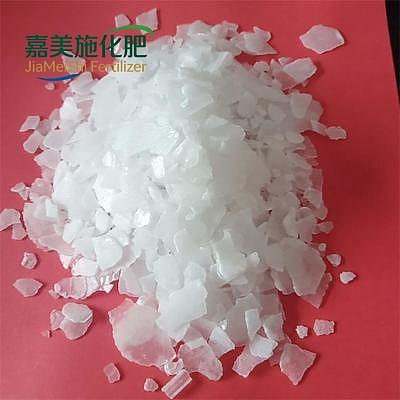
 caustic sodaCaustic Soda, also known as Sodium Hydroxide (NaOH), is a strong alkaline inorganic compound. It usually appears as white flakes, pearls, or solid, with high solubility in water and strong corrosiveness. It is widely used in soap making, paper manufacturing, textile processing, water treatment, chemical synthesis, and cleaning industries. With stable quality and high purity, it serves as an essential raw material in industrial production, neutralizing acids, saponifying fats, and adjusting pH efficiently.
Learn More →
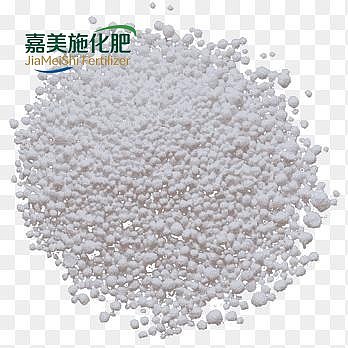
 calcium chlorideCalcium Chloride (CaCl₂) is a highly versatile inorganic salt widely used across food, industrial, and environmental applications. It appears as white flakes, pellets, or powder with strong hygroscopicity, high solubility, and excellent de-icing performance. It serves as a firming agent in food processing, an effective desiccant, a reliable snow-melting agent, and a key additive in construction and water treatment. Safe, stable, and efficient, it is an essential material for both industrial production and daily applications.
Learn More →
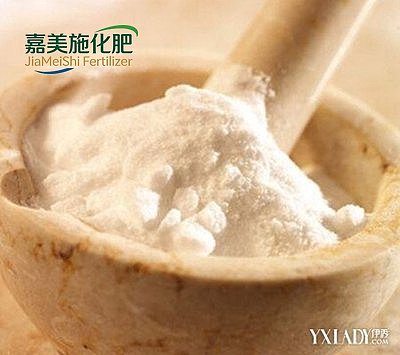
 baking sodaBaking soda, chemically known as sodium bicarbonate (NaHCO₃), is a white, crystalline, water-soluble powder with a mild alkaline nature. It is widely recognized as a safe, non-toxic, and versatile substance used in cooking, cleaning, personal care, and household maintenance. When combined with acidic ingredients, it releases carbon dioxide, making it ideal for leavening baked goods. Its gentle abrasive and deodorizing properties also make it popular for neutralizing odors, removing stains, and softening water. It is affordable, eco-friendly, and suitable for both food-grade and everyday household applications.
Learn More →
 Zinc Sulphate MonohydrateZinc Sulphate Monohydrate (ZnSO₄·H₂O) is a highly effective and widely used inorganic micronutrient fertilizer. It provides zinc (Zn) in a readily available sulphate form, essential for correcting zinc deficiency in crops. Zinc is a vital component of numerous enzymes involved in plant growth regulation, protein synthesis, and auxin production. This fertilizer is particularly crucial for cereals like rice and corn, as well as fruit trees, where zinc deficiency can severely limit yields. Its high solubility ensures quick plant uptake through soil application or foliar sprays, making it a cornerstone of modern micronutrient management.
Learn More →
 UP17-44Urea Phosphate UP17-44 has dual attributes of a compound fertilizer and a fine chemical product, and its core classification is strictly determined by its actual application scenario—this is the key principle for customs declaration, product filing and industrial labeling, with the two attributes not mutually exclusive but defined for different application fields.
Learn More →
 SulphurSulphur is an essential macronutrient for plant growth, crucial for protein synthesis, chlorophyll formation, and nitrogen efficiency. Historically supplied incidentally through atmospheric deposition and impure fertilizers, modern agriculture faces widespread sulphur deficiency due to cleaner air and high-analysis fertilizers. Sulphur fertilizers correct this deficiency, improving crop yield and quality. They are particularly vital for oilseeds, legumes, and cereals, enhancing oil content, protein levels, and stress resistance. Available in elemental, sulphate, and liquid forms, sulphur products ensure optimal plant nutrition and sustainable soil health, making them indispensable in contemporary farming.
Learn More →
 Hydroxide") Sulfate Iron (II) HydroxideSulfate Iron (II) Hydroxide is a specialized iron supplement and soil amendment used primarily to correct iron deficiency in plants and improve soil conditions in alkaline or calcareous soils. This compound provides iron in a form that is more stable and less prone to oxidation than simple iron salts, ensuring better availability to plants. It is particularly effective in high-pH soils where iron becomes insoluble and unavailable. By supplying both iron and sulfur, it addresses chlorosis (yellowing of leaves) and promotes healthy chlorophyll synthesis, leading to improved plant vigor, greener foliage, and enhanced crop yields.
Sulfate Iron (II) HydroxideSulfate Iron (II) Hydroxide is a specialized iron supplement and soil amendment used primarily to correct iron deficiency in plants and improve soil conditions in alkaline or calcareous soils. This compound provides iron in a form that is more stable and less prone to oxidation than simple iron salts, ensuring better availability to plants. It is particularly effective in high-pH soils where iron becomes insoluble and unavailable. By supplying both iron and sulfur, it addresses chlorosis (yellowing of leaves) and promotes healthy chlorophyll synthesis, leading to improved plant vigor, greener foliage, and enhanced crop yields.Learn More →
 Potassium Sulphate SOPPotassium Sulphate (SOP), chemically known as K₂SO₄, is a premium, chloride-free potassium fertilizer containing 50-52% K₂O and 17-18% sulfur. It is the preferred potassium source for high-value, chloride-sensitive crops due to its ability to significantly enhance crop quality without the risk of chloride toxicity. SOP improves fruit size, sugar content, color, and shelf life while also providing essential sulfur for protein synthesis. Its excellent water solubility makes it ideal for fertigation and foliar application. SOP is indispensable in modern agriculture for maximizing the yield and marketability of cash crops, fruits, and vegetables.
Learn More →